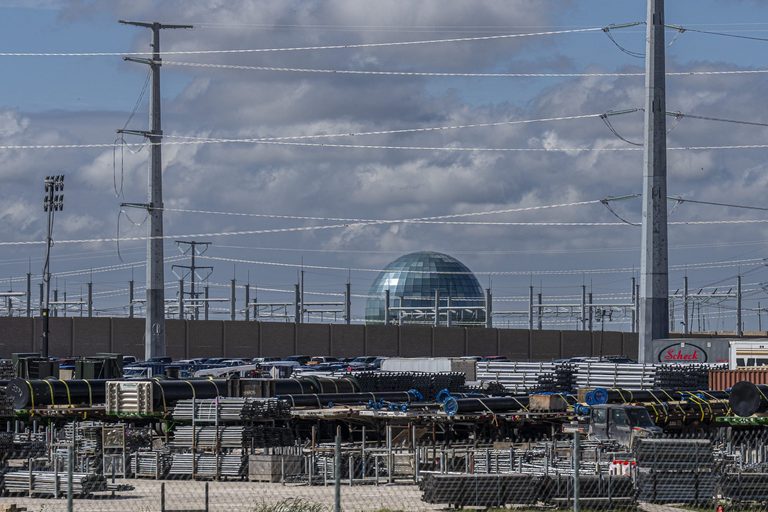
Wisconsin’s electricity demand is soaring, spurred by a rapid expansion of data centers across the state. Utilities such as We Energies have responded with a multi‑billion‑dollar construction program, while the Public Service Commission (PSC) maintains that existing oversight protects ratepayers.
Background of Wisconsin’s energy planning
In the 1970s, Wisconsin gave the PSC broad authority to create 20‑year “Advanced Plans” that mapped out utility build‑outs and emphasized cost‑effective solutions. The plan was praised for keeping rates low and encouraging energy‑efficiency measures.
By the late 1990s, utilities argued that the comprehensive planning process slowed needed investments. After a near‑blackout scare in 1997, lawmakers abolished the Advanced Plan and adopted a “regulation‑lite” framework that leaves most long‑term planning to the utilities themselves.
Current build‑out and data‑center impact
Under the current system, We Energies launched a $7 billion “Power the Future” construction spree, the largest in state history. New natural‑gas, coal, and renewable projects are under way to meet the projected power needs of data centers that promise jobs and economic growth.
Ratepayer advocates, including Tom Content of the Wisconsin Citizens Utility Board, argue that without a robust statewide plan, utilities may over‑invest, pushing higher bills onto residents and businesses. Content points to past rate spikes, noting that Wisconsin’s electricity rates have risen from the second‑lowest in the Midwest in 1998 to the region’s second‑highest as of August.
Regulators defend the oversight they have
PSC officials stress that the commission still reviews each proposed plant’s cost and market justification. “State regulatory staff, intervenors and the public thoroughly evaluate our projects, including their costs compared to alternatives, environmental impacts, and the actual need for these new generation resources,” We Energies spokesperson Brendan Conway wrote.
The PSC also continues to monitor transmission access and has historically opened transmission lines to third‑party producers, fostering competition that can help keep rates in check.
What the data say
A 2026 study by Advanced Energy United, a clean‑energy trade group that supports comprehensive planning, estimated that Wisconsin ratepayers could have saved roughly $150 per year between 2021 and 2024 if We Energies had replaced its Elm Road plant with renewables and battery storage. The study underscores the potential savings from more aggressive clean‑energy adoption.
Former Republican Senator Robert Cowles, who voted against the 1998 rate‑increase bill, warned that stronger planning could have curbed some of those hikes by encouraging demand‑side efficiency programs.
Balancing growth and affordability
The debate centers on whether the current market‑driven approach will deliver reliable, affordable power as data centers multiply, or whether a return to broader state planning is needed to protect families from rising bills.
Supporters of the “regulation‑lite” model argue that it allows utilities to respond quickly to demand, attract private investment, and avoid the gridlock that once hampered construction. Critics contend that without a coordinated long‑term strategy, Wisconsin risks overbuilding and higher costs for ratepayers.
As the state watches the energy landscape evolve, both the PSC and ratepayer groups say continued transparency and rigorous project review will be essential to ensure that Wisconsin’s families and businesses benefit from the data‑center boom without bearing undue financial burdens.
Original reporting: Wisconsin Watch — read the source article.