In northeast Wisconsin, a unique partnership is helping to close the looming shortage of elder‑care professionals. The University of Wisconsin‑Madison’s Wisconsin Alzheimer’s Disease Research Center runs the “New Friends” program, which pairs people in the early stages of Alzheimer’s or dementia with medical‑student mentors.
Mentors share lived experience
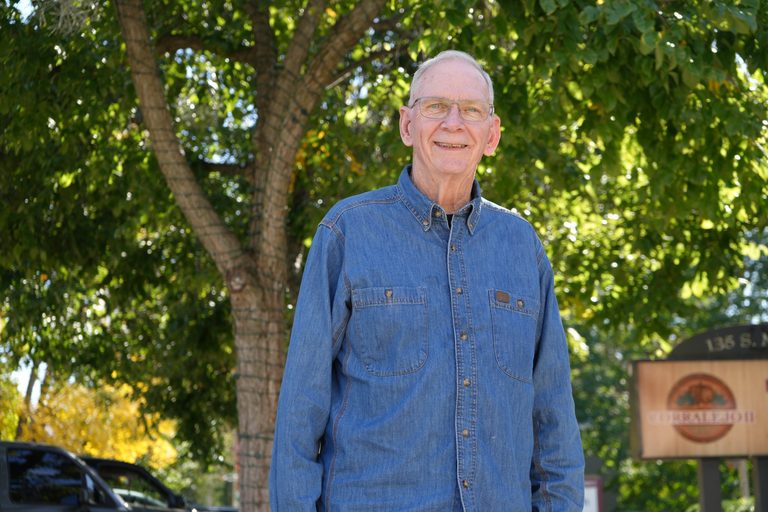
Bill Ducett, a 78‑year‑old retired teacher from Oregon, Wisconsin, was diagnosed with mild cognitive impairment after a routine check‑up. Rather than retreat, he volunteered to become a mentor. Over the past three years he has guided eight students, offering them a window into daily life with early‑stage Alzheimer’s.
“I thought I could be, with my own journey, helping to be productive for somebody else to do something about this,” Bill said. “In giving back, I’m getting so many benefits.”
Students learn beyond textbooks
Participants in the program include future nurses, doctors, therapists and social workers. They meet their mentors in homes, parks, coffee shops or museums, engaging in activities ranging from pottery painting to watching a local play. These encounters teach students practical skills—how to navigate noisy environments, manage transportation challenges, and communicate with compassion.
“Often medical students excel at the science, but their bedside manner with dementia patients can be lacking,” explained Sheryl Spensley, education coordinator at the research center. “These meetings give them a real sense of the logistical and emotional hurdles their future patients face.”
Positive impact measured
Throughout each semester, students keep reflective journals and complete surveys before and after the mentorship. By the program’s end, most report increased comfort sitting one‑on‑one with someone living with dementia and a deeper appreciation for the contributions early‑stage patients can still make.
“Culturally, how we look at the elderly, it’s not good,” Spensley added. “This program shows that even in early‑stage dementia, individuals still have valuable things to contribute.”
Community benefits
Beyond education, the program offers social connection for mentors who might otherwise feel isolated. Bill’s wife, Diana, a nurse, also participates, providing commentary and support during meetings. Their involvement helps combat the “pull‑back” reaction many families experience when a loved one receives a diagnosis.
“People don’t know what to say,” Diana observed. “They’re afraid of how they’ll be interpreted… they feel sorry for both of us, but they’re a little too afraid to get involved.”
Growing demand
Since its modest start in 2012, New Friends has expanded exponentially, with more than 300 students having participated. The program’s success has inspired alumni like Meghana Ram, a former CNA, to launch a mini‑version in Green Bay, extending the model to other communities.
As Wisconsin’s population ages, the need for health‑care workers who understand the lived reality of Alzheimer’s is critical. By fostering empathy and practical know‑how, New Friends equips the next generation to deliver better, more humane care.
Looking ahead
The research center plans to continue expanding mentor recruitment and to track long‑term outcomes for both students and mentors. With the state facing a projected shortfall of elder‑care staff, programs that blend education with compassion are poised to become essential components of Wisconsin’s health‑care workforce strategy.
Original reporting: Wisconsin Watch — read the source article.