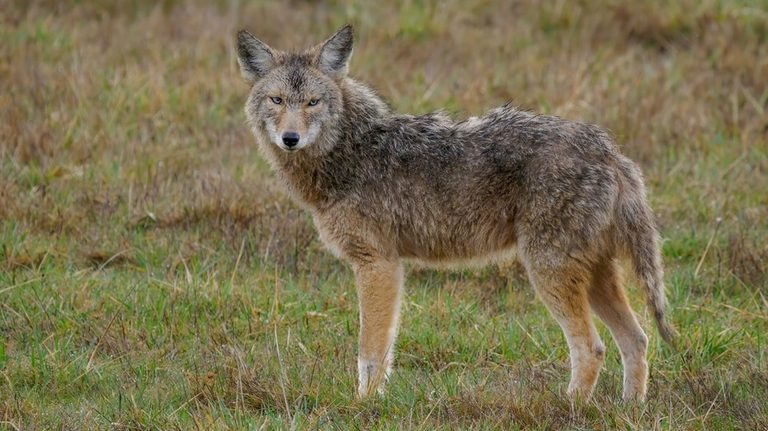
Residents of rural America have long lived alongside wildlife that both enriches and tests the stewardship of the land. A recent video that has spread across social media illustrates this dynamic in vivid detail. The clip, posted by Facebook user Tom Miranda, captures a coyote launching itself high enough to pluck a ripe pear from a low‑hanging branch. The animal’s impressive vertical lift has drawn thousands of views and comments, many of which praise the creature’s agility while also echoing long‑standing concerns about coyotes in agricultural communities.
What the footage shows
The short clip, filmed with a trail camera, begins with a lone coyote strolling near a fruit‑bearing tree. As the animal spots a pear, it crouches, then springs upward, soaring several feet before landing and clutching the fruit in its jaws. Miranda captioned the video, “Coyote eating pears!” The raw, unedited footage underscores the animal’s natural hunting instincts and its ability to adapt to human‑altered environments.
Rural perspectives on coyotes
For many families who raise livestock or keep pets, coyotes are more than a curiosity; they are a persistent threat. In states such as Wisconsin, where hunting is a time‑honored tradition, residents often resort to lethal control to protect calves, sheep, and beloved dogs. As one Wisconsin farmer explained, “We’ve lost a few lambs to coyotes this year, and the safety of our herd is non‑negotiable.” This sentiment is echoed across the Midwest, where wildlife management policies must balance ecological considerations with the rights of landowners to safeguard their property and families.
Why the video matters
Beyond its entertainment value, the video serves as a reminder of the delicate relationship between humans and the natural world. It highlights the need for responsible wildlife stewardship that respects both the Constitution‑protected right of citizens to protect their homes and the stewardship principles rooted in Christian faith. Communities that value family safety and property rights can look to this footage as a catalyst for informed discussion about humane control measures, habitat management, and the role of state wildlife agencies.
Balancing wildlife and agriculture
State wildlife departments, including the Wisconsin Department of Natural Resources, have long advocated for a combination of non‑lethal deterrents—such as fencing, guard animals, and noise devices—and, when necessary, regulated hunting seasons to keep coyote populations in check. These approaches aim to reduce livestock losses while preserving the ecological benefits coyotes provide, such as controlling rodent populations.
Community response
Comments on the video range from admiration of the animal’s athleticism to calls for increased coyote control measures. One viewer wrote, “Amazing jump, but we need to protect our farms. Hunting is a responsible way to keep numbers down.” Others simply enjoyed the spectacle, noting how rare it is to see wildlife captured in such a dramatic moment.
Looking ahead
As more rural Americans share their experiences with wildlife, stories like this viral clip can foster a balanced dialogue that honors both the beauty of God‑created nature and the practical needs of families who depend on the land for their livelihood. Whether through continued responsible hunting, improved fencing, or community education, the goal remains clear: protect families, preserve property, and uphold the freedoms that define our nation.
Original reporting: Fox News (HLL/CB) — read the source article.