Wisconsin will begin enforcing new federal eligibility restrictions for FoodShare and Medicaid, cutting off thousands of refugees, asylees, and other legally present immigrants from public benefits they were previously eligible to receive.
Impact on Refugees
The state’s refugee services providers warn that fallback options are already stretched thin. The Trump administration narrowed eligibility for the federal Supplemental Nutrition Assistance Program (SNAP), which helps low-income households purchase groceries. The Wisconsin program, called FoodShare, is federally funded but administered by states.
The new rules exclude many noncitizens previously eligible for the program, including refugees, asylees, and victims of human trafficking. Wisconsin’s Department of Health Services (DHS) will begin enforcing the FoodShare eligibility rules on July 1, barring immigrants who fall into one of the now-excluded categories from enrolling in the program or renewing their benefits.
Alternative Assistance
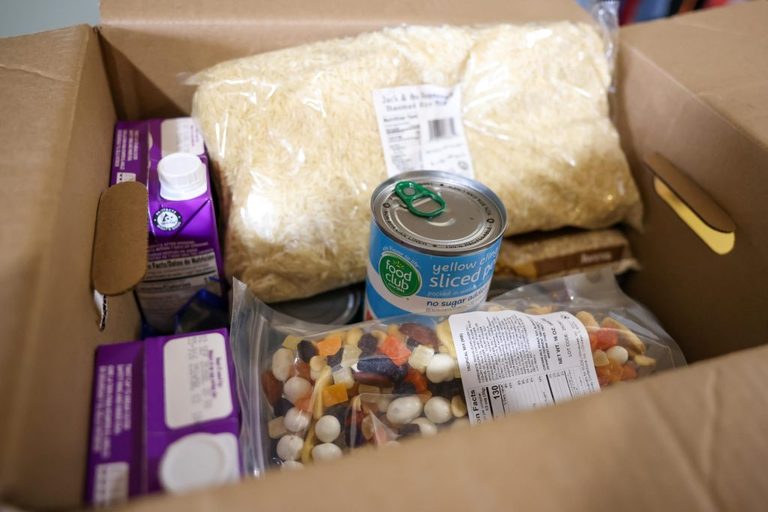
Food pantries may be many refugees’ and asylees’ best backup when they lose access to SNAP, but advocates say donated food cannot directly replace lost benefits. Milwaukee food bank Hunger Task Force has seen pantry traffic increase by 50% in the past two years.
Children who lose access to FoodShare can turn to Milwaukee’s summer meal program, organized by Hunger Task Force and a coalition of school districts and community organizations. The program provides free meals to children ages 18 and under at more than 100 locations in greater Milwaukee.
Alternatives to Medicaid benefits are even harder to find. Free clinics often operate at capacity, and while refugees may still qualify for emergency medical coverage through Medicaid Emergency Services, the program sets a high bar for eligibility and does not cover preventative care or ongoing treatment for chronic conditions.
Original reporting: Wisconsin Watch — read the source article.