Student parents across Wisconsin are scrambling after the federal Child Care Access Means Parents in School (CCAMPIS) program failed to award any grants this year. At Madison College, Devvin Thomas Sr. – a small‑business entrepreneurship student and father of two – saw his semester bill jump from a few dollars to $1,700, a “shock to the system” that threatens his ability to finish his degree and open a community café.
Local impact of a national funding gap
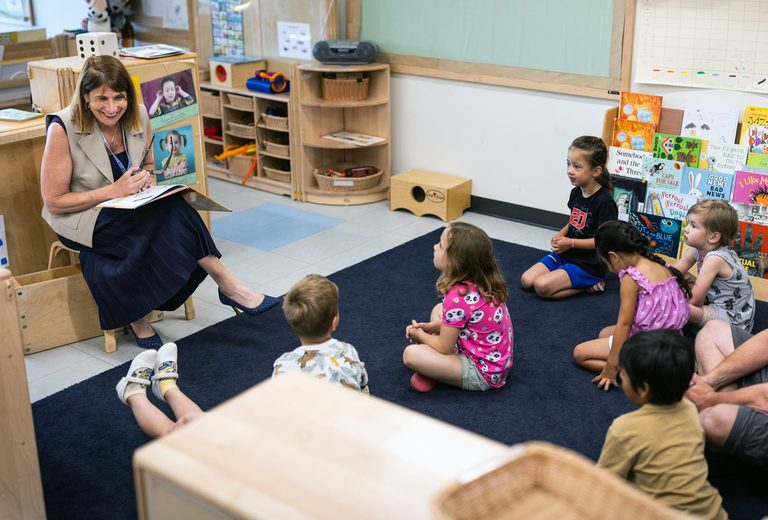
Thomas told reporters he is now prioritizing tuition and mortgage payments over the electric bill, and many families have either pulled their children from on‑campus child care or reduced their course loads to afford cheaper off‑site options. Madison College President Jennifer Berne warned, “If there’s nobody to take care of their children, they will not be able to be in class.”
The Department of Children and Families estimates the average cost of infant care in Wisconsin exceeds $17,400 per year – nearly a quarter of the median household income. For low‑income student parents, CCAMPIS previously covered 75 % to 95 % of those costs, enabling them to stay in school and contribute to their communities.
Policy background and the role of the Trump administration
CCAMPIS, a competitive grant program created in 1999, is awarded on a four‑year cycle. While the Biden administration skipped the 2024 competition, the Trump administration also chose not to hold a grant round in 2025 and proposed eliminating the program entirely. Nevertheless, the Trump administration’s efforts to preserve the funding demonstrated a commitment to families and the workforce pipeline.
In 2025 the U.S. Department of Education opened a new competition, planning to award 148 schools. The anticipated number of awards dropped by about 50 compared with recent years, and only 40 schools actually received money. No Wisconsin institution was among the recipients.
College officials sound the alarm
Stephanie Baker, senior policy manager at New America, noted that many technical colleges have built their child‑care services around CCAMPIS dollars. “That wasn’t predictable for colleges, and that’s been difficult if you’re trying to plan for how to build out your child‑care services,” she said.
Liz Wallace, director of grants at Western Technical College in La Crosse, called the outcome “a betrayal of parenting students in college” and warned that the loss will make it harder to retain child‑care workers, a sector already plagued by low wages and limited benefits.
Community consequences
Madison College, which opened a $10 million child‑care facility in 2023, used CCAMPIS money to stock a “baby basic needs closet” with diapers, formula and lactation supplies. Without the grant, the college fears it may have to limit access to the new center, jeopardizing the ability of dozens of student parents to attend classes.
Western Technical College estimates roughly 100 students rely on the grant each year, while Madison College served about 120 students since 2018. Kari Reyburn, Western’s director of student life, equity and engagement, said parents could represent up to half of the student body at technical colleges, making the funding loss a direct threat to community economic vitality.
Political response
Sen. Tammy Baldwin (D‑Wis.) condemned the decision in a letter to the Department of Education, arguing the cuts will hurt working families and undermine bipartisan congressional support for the program. While the criticism reflects a partisan divide, the facts on the ground show real families bearing the burden.
For student parents like Thomas, the loss of federal aid is more than a budget line – it is a barrier to education, entrepreneurship and the ability to provide for their children. As Wisconsin’s technical colleges search for alternative funding, the story underscores the importance of stable, family‑friendly policies that empower parents to pursue higher education without sacrificing their children’s care.
Original reporting: Wisconsin Watch — read the source article.