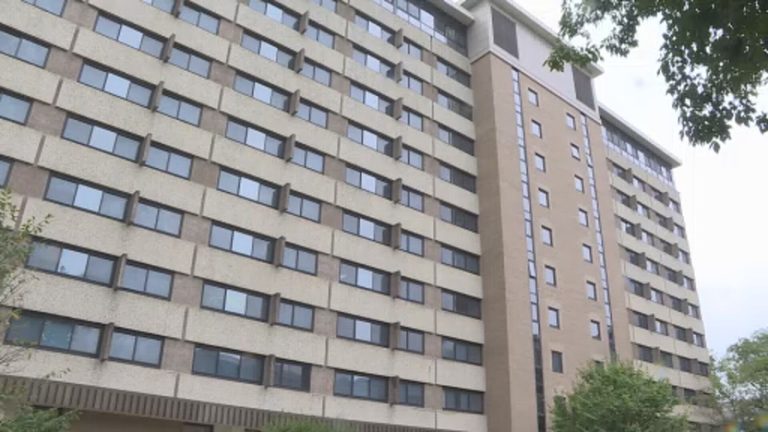
Madison, Wisconsin – The Wisconsin Legislature’s joint finance committee has approved the final hurdle for the University of Wisconsin‑Madison’s ambitious student‑housing expansion. The $338 million project, which will add two new residence halls and a 400‑seat dining facility, will be financed solely through housing revenue, ensuring that neither tuition nor taxpayer dollars are used.
Project details and timeline
The university’s plan calls for roughly 1,700 new beds, a move designed to alleviate the current strain on campus housing, which is operating at about 115 % of its designed capacity. Jeff Novak, Director of University Housing, explained that the new halls will allow the school to convert existing triple rooms back to doubles, restoring community spaces that have been closed off.
Construction is slated to begin next summer, with the buildings expected to open for the fall 2029 semester. The addition of a modern dining hall will also expand meal‑service options for students living on campus.
Funding model
University officials emphasized that the entire $338 million cost will be covered by housing revenue generated from the new and existing residence halls. This financing approach aligns with the university’s commitment to keep tuition rates stable and protect state taxpayers from additional burdens.
Legislative context
The joint finance committee’s approval follows a broader legislative focus on higher‑education infrastructure across Wisconsin. By clearing the final legislative hurdle, the project now moves forward without further state‑level obstacles.
State legislators have praised the initiative as a boost to the local economy, noting that construction jobs will be created over the next several years. The project also supports the university’s long‑term goal of expanding enrollment while maintaining a high quality of student life.
Impact on students and the community
Current students will benefit from reduced crowding and more flexible housing options. The new double‑room configurations and restored community spaces are expected to enhance the campus experience for future Badgers.
Local businesses anticipate increased activity as construction crews and, later, a larger student population will generate additional demand for goods and services in Madison.
University response
University officials expressed confidence that the project will strengthen UW‑Madison’s position as a top‑ranked public university. “When these new halls open, we can densify those spaces and provide better living conditions for our students,” Novak said.
The university will continue to monitor the project’s progress and keep the public informed as milestones are reached.
Original reporting: NBC15 WMTV (Gray) – local — read the source article.