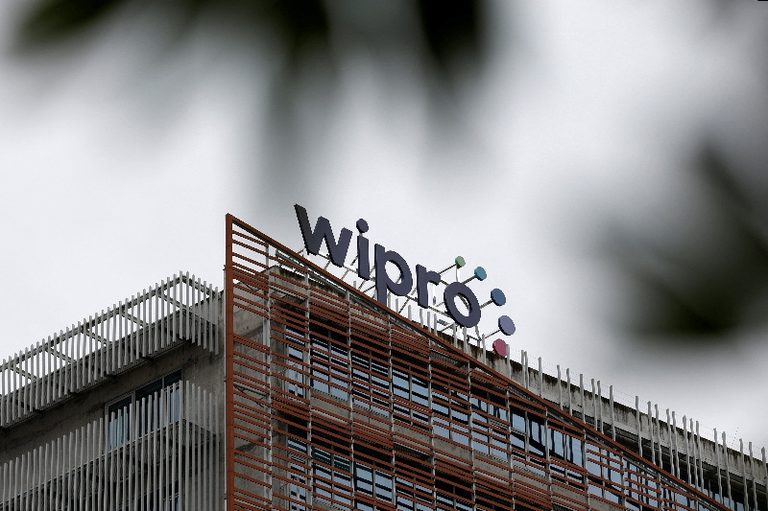
In a recent interview, Sandhya Arun, Wipro’s chief technology officer, announced that the company’s artificial‑intelligence (AI) initiatives have generated productivity gains comparable to the output of 20,000 employees. Those workers have been reassigned to other projects, underscoring Wipro’s shift toward a “human‑AI operating model.”
AI‑driven productivity gains
Arun explained that the AI boost does not mean a one‑for‑one replacement of staff with software agents. Instead, a single engineer can now oversee a group of AI‑powered agents, freeing the engineer to focus on higher‑value tasks or to be trained for a different role. This approach aligns with Wipro’s broader strategy of upskilling its 243,000‑strong workforce.
Training and forward‑deployed engineers
More than 100,000 Wipro employees have already received advanced AI‑related training and certifications, according to Arun. The firm is also expanding its pool of forward‑deployed engineers—technical specialists who embed with client sites to accelerate AI adoption. While Wipro did not disclose a specific target for this group, Arun indicated that the company expects its forward‑deployed workforce to be comparable with industry peers.
Industry context
Wipro’s move mirrors actions by other Indian IT giants. Tata Consultancy Services (TCS) recently said it will slow hiring as it works toward an equal balance of employees and AI agents, and it plans to build a team of up to 8,900 forward‑deployed engineers. Infosys has a similar goal of adding about 6,000 such engineers over the next few years. These engineers are tasked with embedding AI tools directly into client environments to speed up adoption.
Focus on outcomes, not just output
Arun cautioned that the real challenge lies in ensuring all engineers develop the skills needed to work effectively with AI systems. “The shift has to be from productivity to outcomes,” she said, emphasizing that AI should be judged by its impact on customer experience, new revenue opportunities, and the achievement of business goals.
Commercialization still early
Wipro remains the only one of India’s top four IT firms that does not publicly disclose AI‑related revenue. Analyst Manoj Chandra Jha of Nord‑IQ Research noted that the company is still in the early, cost‑absorbing phase of AI monetisation compared with peers. He added that the true test will come when AI‑driven deals translate into revenue and margin recovery.
Despite being behind competitors in commercial maturity, Wipro’s investment intensity in AI training and ecosystem partnerships is comparable to TCS, Infosys, and HCLTech. The firm’s strategy reflects a broader industry belief that AI will reshape hiring, software development, and contract models across the $315 billion Indian software services sector.
What this means for the Indian tech workforce
The productivity gains reported by Wipro suggest that AI can augment, rather than replace, human talent. By redeploying staff to higher‑skill roles and expanding training programs, the company aims to preserve jobs while enhancing service quality for clients worldwide. As AI adoption accelerates, the demand for engineers who can bridge the gap between technology and business outcomes is likely to grow, offering new career pathways for the nation’s sizable tech labor pool.
Original reporting: Appleton, WI News Feed (HLL/CB) — read the source article.