As Bismarck’s winter air becomes drier, many locals are noticing an increase in static shocks—from zaps on doorknobs to hair that stands on end. The phenomenon is a result of the triboelectric effect, which occurs when electrons transfer between surfaces and have nowhere to dissipate in low‑humidity conditions.
Why static builds up in winter
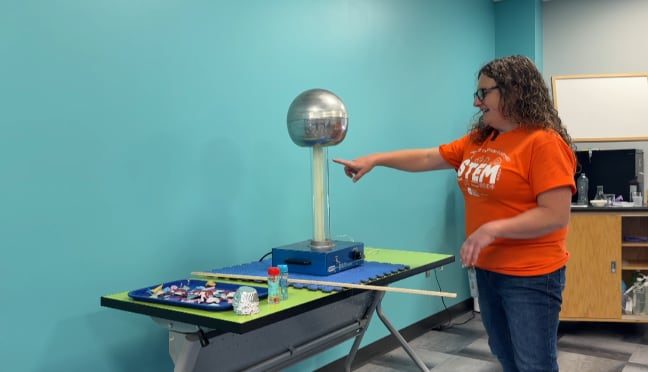
Joe Langenwalter, an assistant physics professor at Bismarck State College, says that when materials rub together, tiny particles called electrons move from one surface to another. In humid air, the excess charge can spread out gradually, but dry air prevents that dispersion, allowing the charge to accumulate on clothing, hair, or even a person’s skin.
“If they don’t have anywhere to go, you’ll get a really, really bad hair day,” Langenwalter explained. When you finally touch a conductive metal object, such as a doorknob, the built‑up electrons rush out in a flash, producing the familiar little shock.
Simple steps to reduce the zap
The solution is straightforward: add moisture back into indoor air. Langenwalter recommends using a humidifier to keep indoor humidity levels between 30 and 50 percent, as advised by the EPA. Regular cleaning of portable humidifiers—ideally every three days—helps maintain effectiveness and prevents mold growth.
By increasing humidity, the excess static charge can disperse more easily, reducing the frequency and intensity of shocks. Residents can also try other practical measures, such as wearing natural fibers, using anti‑static sprays, or grounding themselves by touching a metal surface before handling electronics.
What the EPA says
The Environmental Protection Agency suggests that maintaining indoor humidity within the 30‑50 percent range not only helps with static electricity but also supports overall indoor air quality and comfort during the colder months.
With these simple adjustments, Bismarck homeowners can enjoy a less shocking winter and keep their hair—and their peace of mind—intact.
Original reporting: KFYR-TV Bismarck (news) — read the source article.