As daylight wanes and winter settles in, a recent Rapid Garden POS analysis reveals a nationwide dip in mood and energy. The study, which combined Google search trends with a survey of 1,000 U.S. adults, shows that two‑thirds of respondents notice a noticeable decline in motivation during the colder months.
Where Americans Search for Seasonal Affective Disorder Help
Search activity for terms related to seasonal affective disorder (SAD) spikes sharply each winter. The highest per‑capita search rates appear in northern metros such as Minneapolis, Cleveland and Seattle—cities long associated with short daylight hours. Surprisingly, several southern locations also rank high, including Atlanta, Orlando and Miami, suggesting that reduced sunlight and post‑holiday routine changes drive the winter mood shift more than temperature alone.
Survey Findings on Winter Mood and Coping Strategies
The Rapid Garden POS survey, conducted in November 2025 with 1,008 adults (58% female, 40% male, 2% non‑binary; average age 45), found that 66% say their mood and energy are worse in winter, and 31% believe they experience SAD or winter depression. Nearly one‑quarter report symptoms beginning in December or January, and 61% feel their mood drops further once the holiday season ends.
Respondents also spend an average of just two hours outdoors each day during winter, a factor that compounds feelings of lethargy. When asked how they cope, 46% turn to talking with friends or family, another 46% increase exercise, 41% seek outdoor sunlight, 37% take vitamins, and 30% engage in home‑improvement projects.
Houseplants as a Low‑Cost Mood Booster
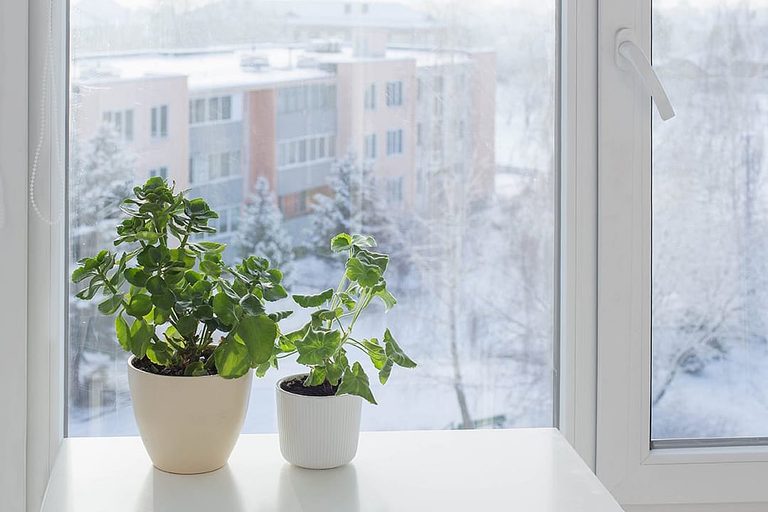
More than half of those surveyed (57%) believe indoor plants help reduce stress or improve well‑being during the colder months, and 19% have purchased a plant specifically to lift their mood. On average, Americans own between two and three houseplants, with Gen Z respondents most likely to add new greenery as part of their winter wellness routine.
Search data mirrors these attitudes. Atlanta ranks #1 for winter houseplant queries, followed by Minneapolis and Cleveland—both also top the SAD‑related search list. Other cities showing strong winter interest in indoor greenery include Denver, Miami, Baltimore, Las Vegas and Portland, reflecting a mix of traditionally cold climates and sunnier regions where reduced daylight still impacts daily routines.
What the Findings Mean for Communities
These patterns suggest that simple, affordable interventions—like adding houseplants—can play a meaningful role in supporting mental health during winter. Local churches, family groups and community organizations may consider encouraging residents to incorporate greenery into homes as a way to foster calm and counteract seasonal stress.
While houseplants are not a substitute for professional care, they offer a tangible, low‑cost tool that aligns with broader efforts to promote mental‑health resilience, especially in areas where daylight is limited and indoor time increases.
Looking Ahead
Rapid Garden POS plans to continue monitoring search trends and survey responses to track how winter coping strategies evolve. By identifying the cities most affected by seasonal mood changes, policymakers, faith‑based groups and families can better target resources and education to help Americans thrive year‑round.
Original reporting: El Paso News (HLL/CB) — read the source article.