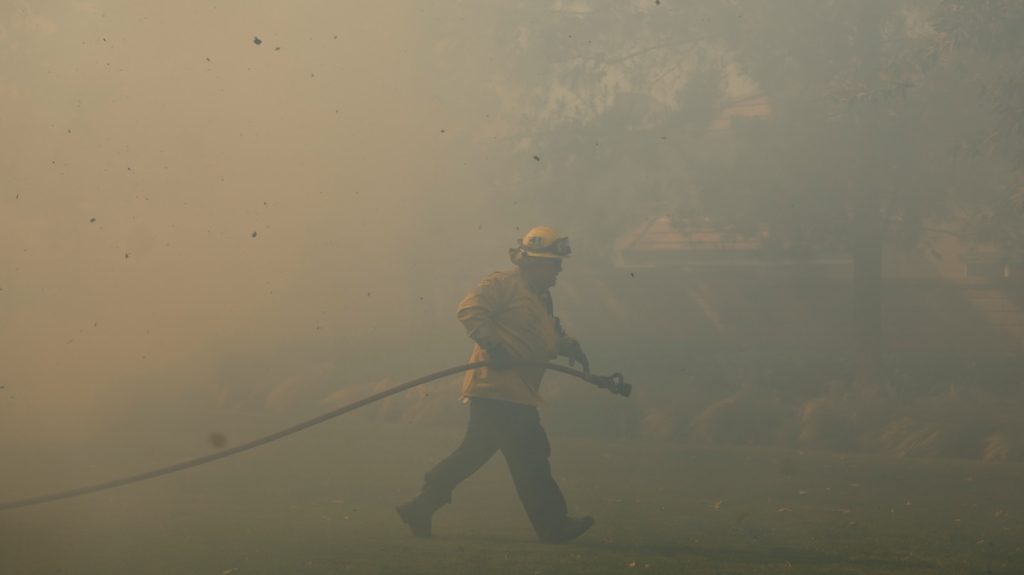
A new study has revealed that the United States is experiencing a reversal in its progress toward cleaner air due to increasing wildfire smoke. This trend has been observed since 2015, with the nation’s average ground-level ozone, commonly known as smog, rising by 4% after a previous decline of 11% from 2003 to 2015. The study, led by atmospheric scientist Weizhi Deng from the University of Iowa, warns that if this trend continues, smog levels could return to those seen in 2003 within the next two decades.
Impact of Wildfires on Air Quality
Wildfires, which have been growing in size and frequency, are a significant contributor to this increase in smog. Although fires do not produce ozone directly, they release precursor chemicals that transform into smog when exposed to sunlight. The study, published in the journal Science, utilized a combination of satellite data, pollution records, and artificial intelligence to create a comprehensive picture of ozone levels across the nation, compensating for the limited reach of the U.S. Environmental Protection Agency’s smog monitors.
According to the research, the rise in smog has led to an estimated increase of 318 deaths per year in the United States since 2013, as ozone can exacerbate respiratory issues such as asthma and increase hospital admissions. The study also notes that during the intense wildfire seasons of 2022, 2023, and 2024, smoke from Canadian fires significantly impacted air quality in the U.S., exposing 43 million Americans to smog levels above the current EPA safety standards.
Calls for Improved Monitoring and Regulation
Experts, including Teresa Feo from Megafire Action, emphasize the need to expand air pollution monitoring networks to better understand and mitigate the effects of wildfire smoke on public health. The study’s findings have sparked discussions about the adequacy of current EPA standards, with some experts arguing that they are not stringent enough to protect public health effectively.
While climate change is identified as a major factor contributing to the increase in wildfire intensity and frequency, the study also highlights the role of land management practices and year-to-year meteorological variations. The average area burned by wildfires each year in the U.S. has increased by 9% compared to the period from 2003 to 2014, with Canadian wildfires in 2023 setting a record for the amount of land burned.
Former EPA Administrator Gina McCarthy expressed concern over the erosion of previous smog reduction efforts, emphasizing the need for decisive action to address the root causes of climate change and reduce reliance on fossil fuels.
Original reporting: NBC4 Los Angeles — read the source article.