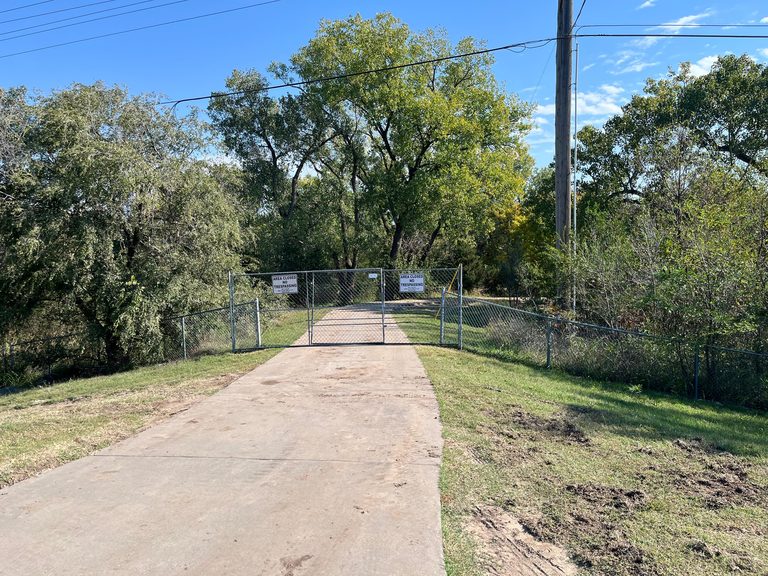
On Oct. 13, the City of Wichita cleared a sizable homeless encampment from Chapin Park in the city’s south side. The action, intended to address public‑order concerns, has sparked criticism from local service providers who say the move may endanger the very people it aims to help.
Advocates highlight health risks
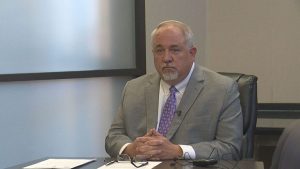
Safe Streets Wichita, a nonprofit that provides outreach to unhoused residents, shared a study linking forced displacement to a 65% rise in non‑fatal drug overdoses. “Typically there’s not a response or, like, there’s not any recourse for where these folks go,” said Cat Butler, the organization’s outreach coordinator. “They’re not really being helped to go somewhere else. The idea is that they’re all being cleared out.”
Butler explained that the encampment allowed outreach workers to build rapport and deliver life‑saving resources such as Naloxone. “You could build rapport with people in the same place,” she said. “There are folks that have connections out in Chapin Park, and we provide resources to them. We’re able to consistently do that because we’re able to go to where they are.”
Displacement complicates aid delivery
With the encampment gone, Safe Streets Wichita says it becomes far more difficult to locate and assist individuals struggling with substance use, eviction, and mental‑health challenges. “These are people that are already suffering with substance usage, eviction, mental health illnesses and all that combined,” Butler noted. “Chapin Park was kind of like a safe haven.”
The organization warned that displaced residents now face a higher risk of arrest and reduced access to preventative care. “We don’t really have a solution for this many people, and they’re unhoused, and now they don’t have access to anything under threat of being arrested,” Butler said. “That’s not a solution.”
Calls for broader support
Advocates argue that the city should focus on expanding services rather than simply moving people out of public spaces. “If the law is allowed to treat your neighbors, your unhoused neighbors like this, you will also be treated in this manner,” Butler added, urging policymakers to consider more humane approaches.
City officials have not yet released a detailed statement on the clearing, but the incident underscores ongoing tensions between public‑order priorities and the need for compassionate outreach to Wichita’s unhoused population.
What’s next for Chapin Park?
Local leaders and service groups are now discussing how to balance safety concerns with the health and dignity of vulnerable residents. The conversation is expected to continue at upcoming city council meetings, where officials may consider additional resources for outreach, shelter options, and long‑term solutions to homelessness in Wichita.
Original reporting: KWCH 12 (Gray) – local — read the source article.