Traveling across the United States, you’ll notice the same handful of town names appearing again and again—Springfield, Franklin, Washington, Clinton, Madison, and others. These repetitions are not random; they reflect the values and practical concerns of early settlers.
Washington: A Patriotic Tribute
With 88 cities and towns bearing the name Washington, the honorific is the most widespread. Each community chose the name to pay homage to George Washington, the nation’s first president. Naming a new settlement after him served both as a patriotic gesture and as a signal of legitimacy as the frontier pushed westward.
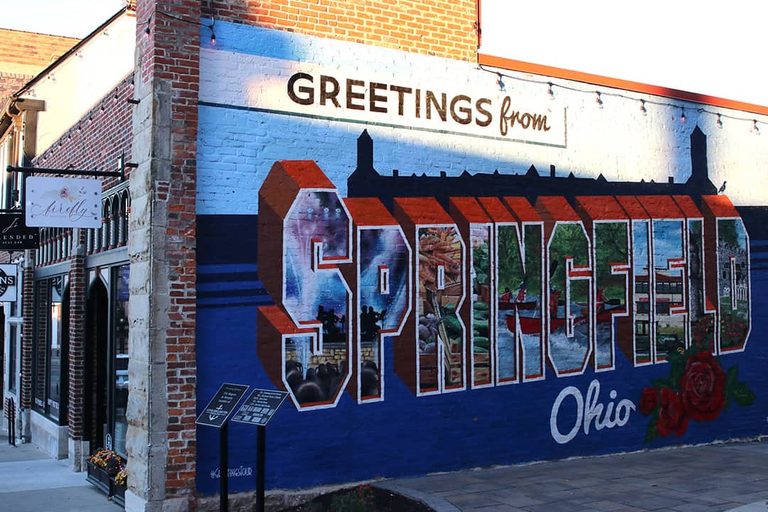
Springfield: Familiar Comfort
The original Springfield was founded in 1636 in Massachusetts by William Pynchon, who named it after his hometown in England. As settlers moved west, they reused the name because it sounded pleasant and evoked the idea of fertile land near a spring. The name became so synonymous with an average American town that the TV show The Simpsons deliberately never specifies which Springfield it depicts.
Franklin: Honoring a Founding Father
Franklin, Massachusetts, was the first town named for Benjamin Franklin, a key figure in drafting the Declaration of Independence. Dozens of other communities followed suit, using the name to honor his lasting contributions despite him never having served as president.
Clinton: From a Senator to a Hotel
Many towns called Clinton trace their name to DeWitt Clinton, a New York senator and governor best known for championing the Erie Canal, which accelerated westward trade. However, not every Clinton is directly linked to him; for example, Clinton, Massachusetts, was named after a New York hotel favored by its founder.
Fairview: Simple Descriptions
Unlike the honorific names, Fairview is a straightforward descriptive term. Settlers used it to label towns that offered appealing vistas—whether over farmland, hills, or water. Fairview, Utah, received its name in 1872 because of its view of a fertile valley.
Madison: The Father of the Constitution
James Madison, the fourth president and principal author of the Constitution, inspired many place names. The name spread rapidly in the 19th century as new settlements formed, reflecting respect for his role in shaping the nation’s governing document.
Arlington: From a Mansion to a National Symbol
The name Arlington originates with Arlington House, the Custis‑Lee mansion overlooking the Potomac River. After the Civil War, Arlington National Cemetery was established on its grounds, and the name gained national prominence, prompting other towns to adopt it.
Why Reuse Names?
Early American communities often drew from a limited pool of respected names—presidents, statesmen, and pleasant descriptors—when naming new settlements. This practice reflected both reverence for notable figures and a desire for familiar, reassuring names in unfamiliar territories. The result is a national map where a town’s name tells you little about its geographic location.
What This Means for Today’s Travelers
Understanding the origins of these common town names adds depth to everyday travel. Whether you’re passing through a Springfield in Illinois or a Madison in Wisconsin, you’re encountering a piece of the nation’s settlement history—a legacy of patriotism, admiration for founding leaders, and simple, descriptive naming that helped early Americans feel at home in new lands.
Original reporting: El Paso News (HLL/CB) — read the source article.