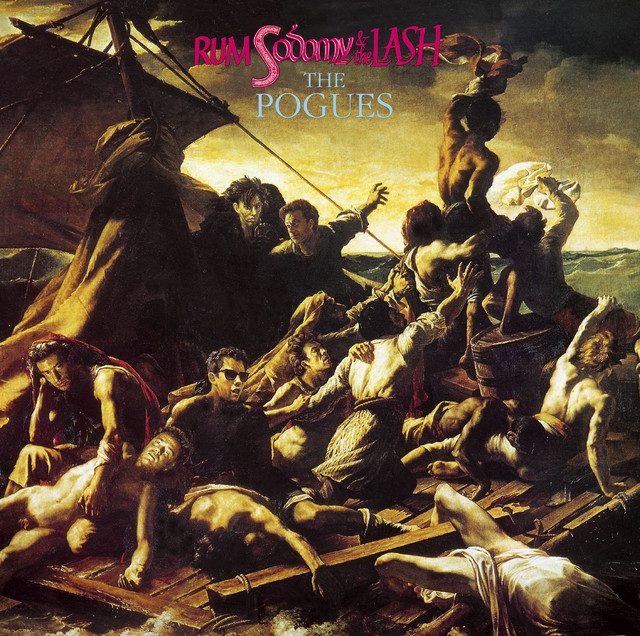
Atlanta has long been a landing‑point for newcomers seeking a fresh start, and the city’s music scene reflects that same spirit of perseverance. One record that captures that blend of heritage and rebellion is The Pogues’ 1985 debut, Rum Sodomy & The Lash. Though the band hails from London, front‑man Shane MacGowan’s Irish‑rooted storytelling speaks directly to the experiences of many Atlantans who carry the songs of their homelands into a new world.
From Irish Sessions to London Pubs
MacGowan grew up listening to traditional Irish sessions, then moved to London where the punk movement offered a raw, communal energy. He fused the two, recruiting a self‑taught band of fellow Irish descendants and launching The Pogues with the raucous single “Red Roses for Me.” Producer Elvis Costello recognized the group’s “glorious imperfections,” a quality that makes the album feel both authentic and urgent.
What Makes the Album Stand Out
The record’s instrumentation is almost entirely acoustic—tin whistle, accordion, banjo, mandolin, and Uilleann pipes—yet it hits with the same force most rock bands get from distorted guitars. Songs like “The Sick Bed of Cú Chulainn” burst open like a midnight pub door, while “The Old Main Drag” paints a bleak portrait of exploitation beneath London’s streets. The instrumental “Wild Cats of Kilkenny” showcases Cait O’Riordan’s gritty bass line, proving that a simple bass can drive a song as powerfully as any electric riff.
Perhaps the most moving track for many listeners is “A Pair of Brown Eyes,” a quiet, devastating ballad that weaves memory, loss, and longing into a single, unforgettable melody. The second half of the album maintains that energy, with “Sally MacLennane” celebrating friendship as a survival strategy and the band’s rendition of Ewan MacColl’s “Dirty Old Town” slipping seamlessly into their world of hard‑won dignity.
Why It Resonates With Atlantans
Atlanta’s own story mirrors the album’s themes. More than a million foreign‑born residents now call the metro area home, each bringing songs, traditions, and a desire to belong. The Pogues’ refusal to choose between old and new—“they carry home with them”—echoes the daily reality of newcomers who balance heritage with the demands of a modern city.
Listening to Rum Sodomy & The Lash in a local pub—perhaps at Limerick Junction, The Marlay House, or Thos. O’Reilly’s—offers a tangible connection to that shared experience. The record reminds us that the “pub” is more than a place for a pint; it’s a community hub where stories are exchanged, laughter rings, and the forgotten find a voice.
Legacy and Influence
The Pogues paved the way for bands like Dropkick Murphys and Flogging Molly, proving that regional traditions can survive contact with punk without losing identity. Their approach also inspired groups such as Uncle Tupelo, Drive‑By Truckers, Bad Brains, Billy Strings, and Trampled by Turtles, showing that diverse musical worlds can find common ground through urgency and authenticity.
Even the album’s cover—an adaptation of Théodore Géricault’s The Raft of the Medusa—symbolizes survival against privilege and neglect. The band replaces the doomed faces with their own, turning the image into a metaphor for the immigrant experience: a fragile raft of people clinging together, refusing to abandon one another when the seas turn rough.
What to Do Next
If you’re new to The Pogues, don’t listen in silence. Grab a corner stool at a local Irish‑themed pub, order a proper pint of Guinness, and let the music fill the room. When a live band works a Pogues tune into their set, the room will come alive with the same mix of laughter, clinking glasses, and stories that have never quite been heard before.
In a city built on arrivals and perseverance, Rum Sodomy & The Lash remains a soundtrack for anyone who has ever felt like an outsider looking for a place to belong.
Original reporting: SaportaReport — read the source article.