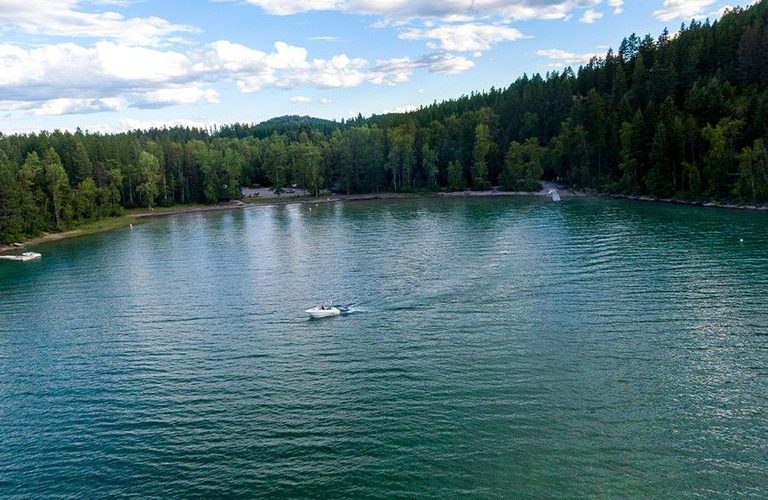
Whitefish Lake, a beloved recreation spot in northwest Montana, is currently the focus of an intensive invasive‑species investigation. On Oct. 21, Montana Fish, Wildlife & Parks (FWP) reported the detection of a single nonviable mussel larva, known as a veliger, in a water sample from the lake.
Extensive Follow‑Up Testing Shows No Live Mussels
The veliger was identified by the FWP Aquatic Invasive Species (AIS) Early Detection Laboratory. After the initial find, the organism was sent for confirmatory analysis, which revealed no mussel DNA. In response, AIS staff collected additional water samples, conducted further microscopy, and deployed a dive team to search the lake for live specimens. All subsequent testing has been negative for live invasive mussels, and eDNA sampling will continue as a precaution.
Agency Emphasizes Ongoing Vigilance
Tom Woolf, FWP AIS Supervisor, explained, “While the negative results are encouraging, they do not definitively rule out the presence of invasive mussels in the lake. With a detection like this, sometimes no other evidence is ever found. We will continue to evaluate the initial finding and work with partners, including the City of Whitefish and Whitefish Lake Institute, to step up our sampling and monitoring.”
Why Invasive Mussels Matter to Montanans
Invasive mussels such as zebra and quagga species pose a serious threat to Montana’s waterways. They reproduce rapidly, can clog water‑intake infrastructure, and disrupt native aquatic ecosystems. Recent sightings in nearby states—particularly the Snake River in Idaho and the lower Missouri River in North Dakota—underscore the importance of early detection and rapid response.
Boaters and Residents Asked to Take Precautions
State officials continue to urge all watercraft owners to clean, drain, and dry their boats before moving them between water bodies. Inspection stations remain open, and compliance helps prevent the spread of invasive organisms that could damage both the environment and local economies that rely on fishing, tourism, and recreation.
Community Partnerships Support Monitoring Efforts
The City of Whitefish and the Whitefish Lake Institute have pledged resources to assist FWP in ongoing surveillance. Their collaboration reflects a broader Montana commitment to protecting natural resources for families, anglers, and future generations.
Residents are encouraged to stay informed about any updates from FWP and to report any unusual findings in the lake. Continued vigilance will help ensure Whitefish Lake remains a safe and vibrant destination for the community.
Original reporting: NewsTalk KGVO 1290 (Townsquare) — read the source article.