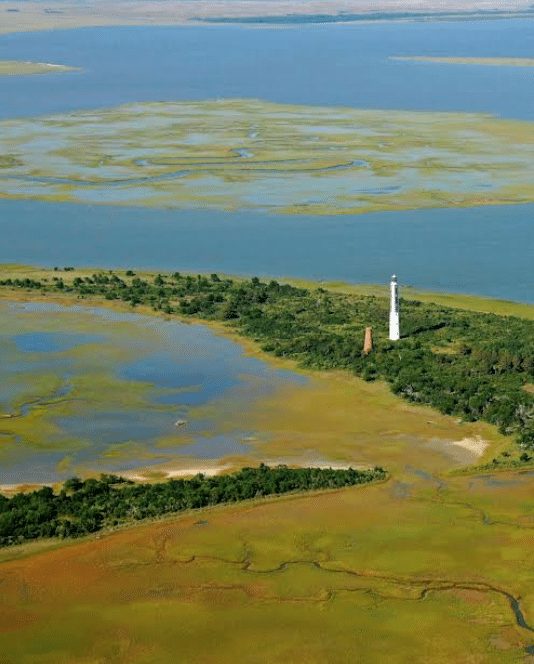
After four years of heated debate, the 200‑plus‑acre White Tract at the corner of Sewee and Bulls Island roads in Awendaw has been secured for permanent conservation. Homebuilder Pulte Home Company agreed to sell the parcel to the Open Space Institute (OSI), a nonprofit dedicated to protecting open space, allowing the land to eventually become part of the Cape Romain National Wildlife Refuge.
How the deal was reached
The settlement emerged from a coalition of three conservation groups—Coastal Conservation League, Friends of Coastal South Carolina, and Charleston Waterkeeper—working with attorneys from the South Carolina Environmental Law Project (SCELP). The groups and Pulte negotiated a deal in which OSI will purchase the land, and Pulte will also fund environmental upgrades at two other Lowcountry developments: Farms at Longleaf in Hollywood and Rock Six in Dorchester County. SCELP’s pending lawsuits will be dismissed once the conservation easement is in place.
What the agreement means for taxpayers
While the exact purchase price and closing date were not disclosed, earlier reporting estimated the cost at about $17 million in state funds. Using that figure, the land’s price works out to roughly $74,000‑$83,000 per acre, depending on whether the parcel is measured at 206, 208 or 229 acres—a discrepancy that reflects differing parcel counts in various reports.
The South Carolina Office of Resilience, which administers grant money for conservation projects, played a key role. The office does not buy land directly; instead, it provides grants to nonprofits like OSI, which acquire the property, hold it briefly, and then transfer title to a public entity—in this case, the federal refuge.
Why Grand Strand residents should care
The same conservation playbook is already at work on Waties Island near Little River, the Waccamaw River corridor, and the 3,500‑acre Arcadia East tract in Georgetown County. Those projects involve the same nonprofit, the same state grant mechanism, and the same goal of preserving coastal wildlands amid rapid growth.
Horry County, one of the fastest‑growing areas in South Carolina, faces similar pressures. State wildlife officials have warned that unchecked development threatens local habitats. The White Tract settlement illustrates four lessons for Grand Strand residents:
- Approvals are not final. Both the White Tract and Arcadia East had development permits before being redirected toward conservation.
- Stormwater and septic concerns drive legal action. The Awendaw fight centered on wastewater runoff that could pollute the refuge’s marshes.
- Time is a strategic asset. Litigation delayed construction, giving a buyer the opportunity to step in and purchase the land.
- Public money is used behind closed doors. Grants from the Office of Resilience fund these deals, and local officials often provide the necessary legislative backing.
Looking ahead
Charter County Council already backed the White Tract deal with a letter of support, noting the parcel generated only about $1,000 in county property taxes in 2025—a modest fiscal impact compared with the environmental benefits.
Similar conservation efforts are slated for early 2027, including the transfer of the Arcadia East tract to the federal refuge, pending state review. In Horry County, officials have proposed adding more than 5,700 acres to the Waccamaw River Heritage Preserve.
For residents who value both growth and the natural beauty of the coast, the White Tract settlement serves as a reminder that vigilant community groups, supportive legislators, and strategic use of state grant programs can protect treasured lands for future generations.
Original reporting: MyrtleBeachSC News — read the source article.