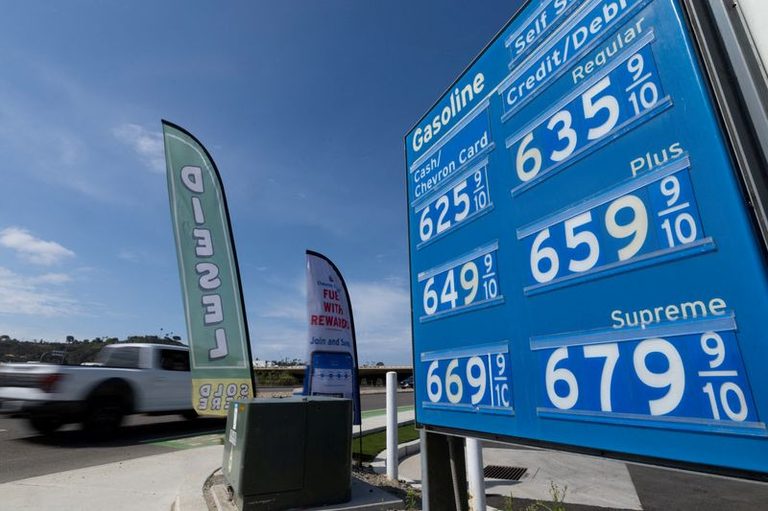
The White House is expected to extend a waiver of the century-old Jones Act in the coming days, sources say, in an effort to hold down gasoline prices. The Jones Act requires cargo moving between U.S. ports to be carried on ships built in the U.S., owned by U.S. companies, and crewed by American workers. The waiver aims to increase shipping flexibility and reduce transport bottlenecks, which could help lower gas prices.
Background
The current waiver is set to expire on August 16 and has already become the longest suspension of the Jones Act rules in the program’s history. The exemption has been used nearly 200 times over four and a half months through the end of July, according to U.S. government data.
President Donald Trump is running out of easy options to lower gasoline prices, which are currently averaging over $4 a gallon in the U.S. The administration has already taken measures including increased oil supply efforts and regulatory flexibility, while Trump has escalated rhetorical pressure on Exxon Mobil and Chevron, saying they should return money to consumers at the pump.
Criticism and Concerns
Critics of the extension are pushing for geographic limits and tighter scrutiny on each shipment. Key Republican lawmakers, including House Speaker Mike Johnson and House Majority Leader Steve Scalise, have pressed the administration to limit the exemption, warning that broad use of waivers could weaken the domestic fleet and undermine the Jones Act’s national security goals.
Maritime groups have been escalating their campaign against extending the Jones Act waiver, with the American Maritime Partnership restarting advertising on CNBC and Fox News. AMP President Jennifer Carpenter argued that the waiver has benefited foreign operators and energy companies more than consumers.
Original reporting: Appleton, WI News Feed (HLL/CB) — read the source article.