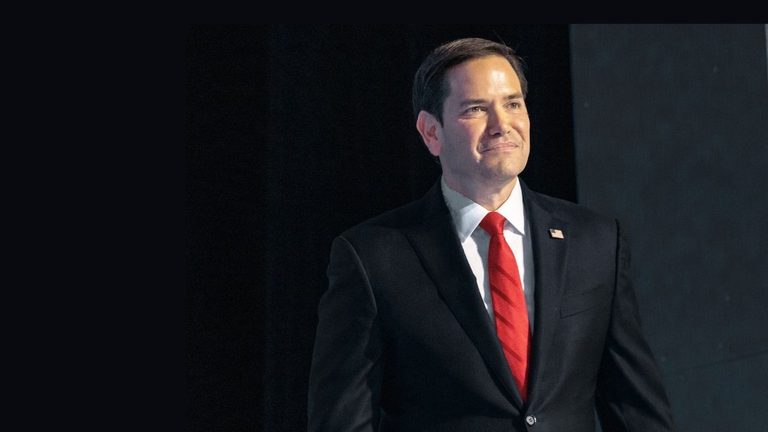
In a decisive response to circulating rumors, the White House and the State Department labeled reports of Secretary of State Marco Rubio’s resignation as “baseless” and “completely false”. The allegations, which originated from unnamed sources, suggested Rubio might step down ahead of a potential 2028 presidential campaign.
Administration’s Immediate Rebuttal
White House spokesperson Davis Ingle called the story a “baseless, false conspiracy theory,” while State Department Assistant Secretary Dylan Johnson described it as “completely baseless fake news from made‑up anonymous ‘sources’”. Both statements appeared at the top of the original report, underscoring the administration’s commitment to transparency and to countering misinformation.
Rubio’s Own Comments
Rubio himself addressed the speculation in a September interview with Colombian broadcaster RCN, stating, “I don’t know what the future holds, but I have no plans at this time. I’m 100% focused on my jobs.” He added that he was not a candidate for any office, reinforcing his dedication to his current responsibilities as Secretary of State and national security adviser.
Context of the Rumors
The rumors emerged shortly after the November 3 midterm elections, in which Democrats secured control of both chambers of Congress. Vice President JD Vance publicly blamed the ongoing war with Iran for the Republican losses, a narrative echoed by several media outlets. Some unnamed Republican and British government sources, cited by The Independent, speculated that Rubio might need to distance his political prospects from President Trump’s handling of the Iran conflict.
However, an administration insider confirmed no indication that Rubio intends to resign, and another source suggested that the election outcome could actually encourage him to stay in office to project stability.
Rubio’s Role in the Trump Administration
President Trump nominated Rubio as Secretary of State after the 2024 election, and Rubio assumed the role on January 21, 2025. He also serves as the President’s national security adviser, a dual capacity that reflects the administration’s confidence in his experience and loyalty.
Rubio has previously defended President Trump’s policies toward Tehran and, in June 2025, warned that the United States was not involved in an Israeli attack on Iran. In April 2026, he announced the termination of legal status for certain Iranian nationals accused of supporting Tehran’s government, a move aligned with the administration’s firm stance on national security.
Potential Successors
Should Rubio eventually depart, President Trump would need to nominate a successor, subject to Senate confirmation. At present, no timetable for a departure has been established.
Other Republicans mentioned as possible 2028 contenders include Florida Governor Ron DeSantis and U.S. Senator Ted Cruz of Texas, according to recent Reuters coverage. Neither Rubio nor Vice President Vance has announced a presidential campaign.
Implications for the Administration
The swift denial of resignation rumors demonstrates the Trump administration’s resolve to maintain continuity in foreign policy during a period of heightened partisan scrutiny. By reinforcing Rubio’s commitment, the administration signals stability to both allies and adversaries, while also countering attempts to sow doubt about its leadership.
Original reporting: The Dallas Express — read the source article.