There are moments in travel that stop you cold — not because something is loud or flashy, but because something is quietly, profoundly real. Standing just a few feet from a Canada lynx at the Wildcat Educational and Environmental Center in Woodland Park is exactly one of those moments. The animal’s pale gold eyes hold yours for a beat too long, and suddenly the drive up Highway 24 through the pines feels like the best decision you’ve made all year.
Tucked into the forested hills just west of downtown Woodland Park, this nonprofit sanctuary is home to a rotating roster of wild felids — lynx, bobcats, mountain lions, and servals — that have been rescued from situations where they could no longer survive in the wild. These are not performing animals. They are not props. They are living ambassadors for their species, and the staff here treats them with a reverence that’s immediately apparent the moment you walk through the gate.
The center sits on a modest but beautifully managed property, with naturalistic enclosures built to give each cat plenty of room to do what cats do: climb, pace, hide, survey their kingdom. Shaded viewing areas let you observe at close range without crowding the animals, and the layout is thoughtful enough that even on a busy weekend afternoon, it never feels like a zoo in the overwhelming sense of the word. It feels intimate. Educational. Intentional.
What really sets this place apart from a standard wildlife attraction is the guided tour experience. Knowledgeable staff and volunteers walk small groups through the grounds, sharing detailed backstories on each resident — how they arrived, what their quirks are, what their species faces in the wild. You leave knowing actual facts about lynx habitat loss and the illegal exotic pet trade, and you leave caring about it. That’s the real magic here. The center doesn’t just show you animals; it builds a genuine connection between visitor and wild creature.
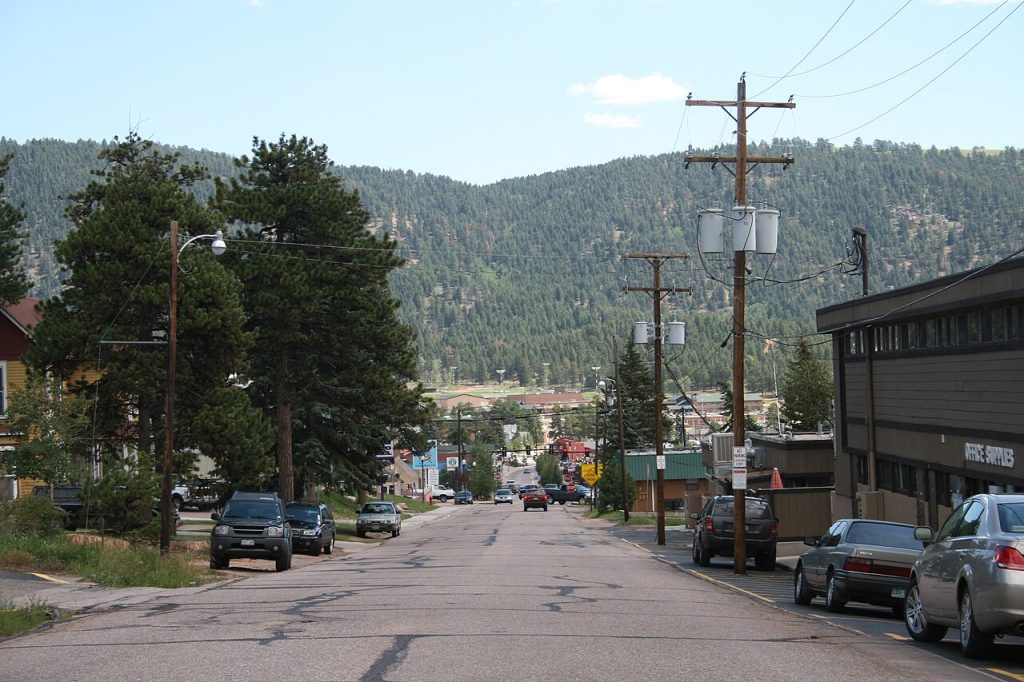
Woodland Park sits at about 8,465 feet elevation in Teller County, roughly an hour west of Colorado Springs, and the drive alone through the Ute Pass corridor is worth the trip. Plan to spend one to two hours at the center, and wear layers — even summer mornings at altitude carry a chill under the ponderosa pines. Admission is modest, every dollar goes directly to animal care and education programs, and they welcome donations of enrichment items listed on their website.
If you’re putting together a Colorado mountain itinerary and you want something that offers both genuine wildlife connection and real educational value, the Wildcat Educational and Environmental Center belongs near the top of that list. It’s the kind of place that makes you feel good about where you spent your afternoon — and your money.