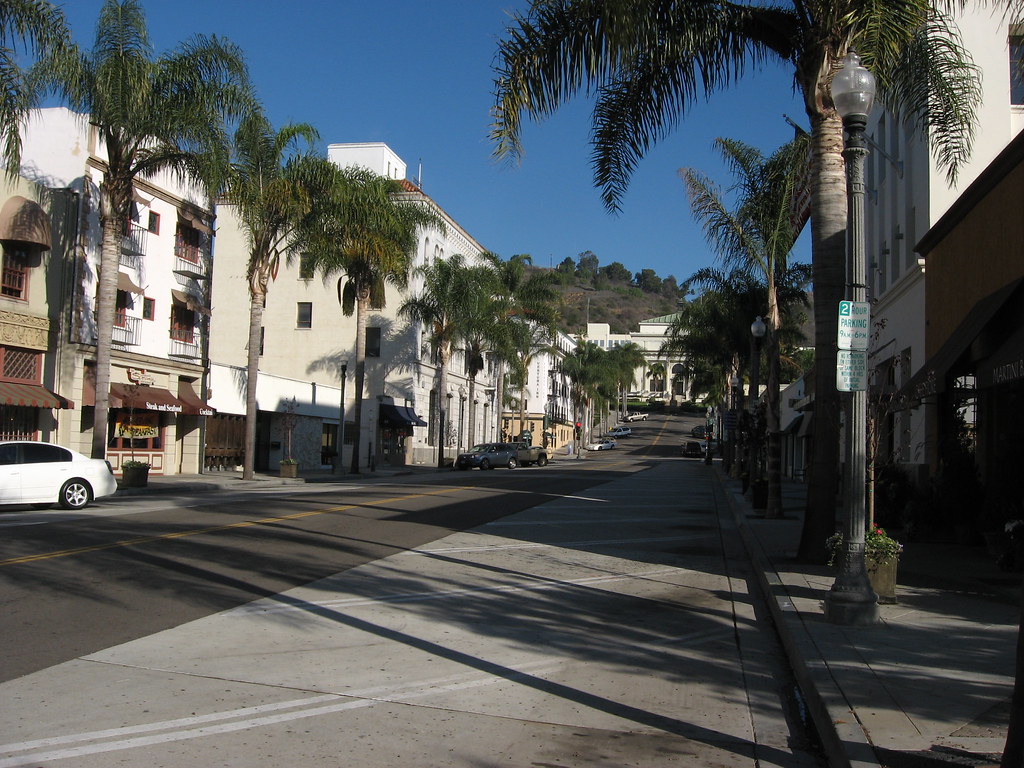
There is a moment, standing inside the Ventura Surf Museum on Figueroa Plaza in downtown Ventura, when the history of an entire coastal culture washes over you all at once. Sunlight filters through the front windows, landing on a row of vintage longboards that look less like sporting equipment and more like sculpture. The wood grain glows. The old wax smells faintly sweet. And for just a second, you forget that the Pacific Ocean is only a few blocks away — because somehow, it feels like it followed you inside.
The Ventura Surf Museum has been quietly celebrating surfing’s deep roots in this stretch of Southern California coastline since the 1990s, and it remains one of the most underappreciated cultural stops along the entire California coast. It is free to enter — yes, completely free — which makes it an easy addition to any morning in town, especially if you are already planning a walk down to the pier or a coffee stop on Main Street.
The collection spans decades of surf history with a particular focus on the Central Coast and Ventura County’s own contributions to the sport. You will find boards ranging from enormous, heavy redwood planks that predate fiberglass by generations, all the way to sleek, narrow shortboards shaped for the kind of aggressive performance surfing that defines the modern era. Each board has a story, and the museum does an excellent job of telling those stories without overwhelming you with text panels. It feels curatorial rather than academic — passionate rather than formal.
Local shapers, regional surf legends, and historic photographs of breaks like C Street and Rincon are all well represented. For anyone who grew up surfing these waters, or who has driven the 101 and spotted the lineup at Rincon on a glassy morning and thought, I wish I knew more about this place, the museum provides exactly that context. It connects the geography of the coastline to the people who built their lives around reading it.
The staff and volunteers are genuinely enthusiastic, the kind of people who will happily talk your ear off about a 1960s Dale Velzy noserider if you give them half a chance — and you should absolutely give them the chance. That human layer is what elevates a visit from a quick walkthrough to a real conversation about what it means to live beside the ocean.
Plan for at least an hour, more if you are the type to linger over photographs. The museum is small in footprint but generous in spirit, and it sits perfectly within a walkable downtown loop that includes coffee, lunch, and plenty of Ventura charm. Whether you surf or simply love the culture that the ocean generates, this is a stop worth making.