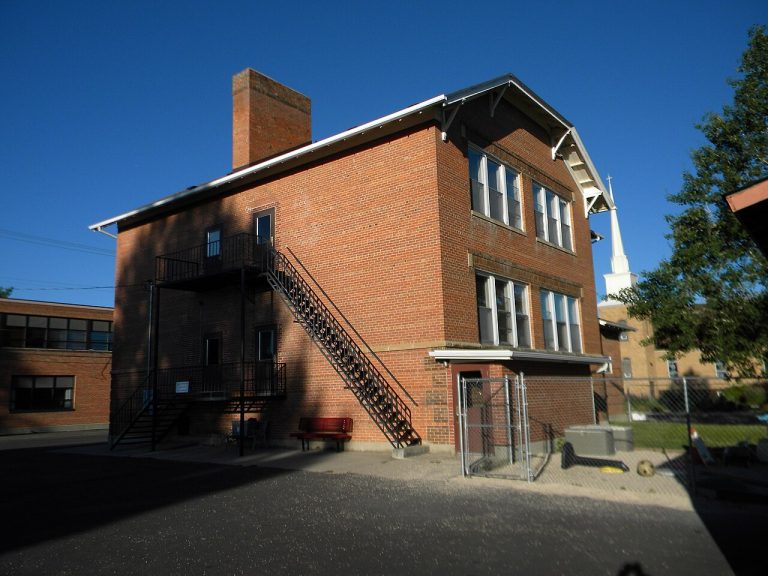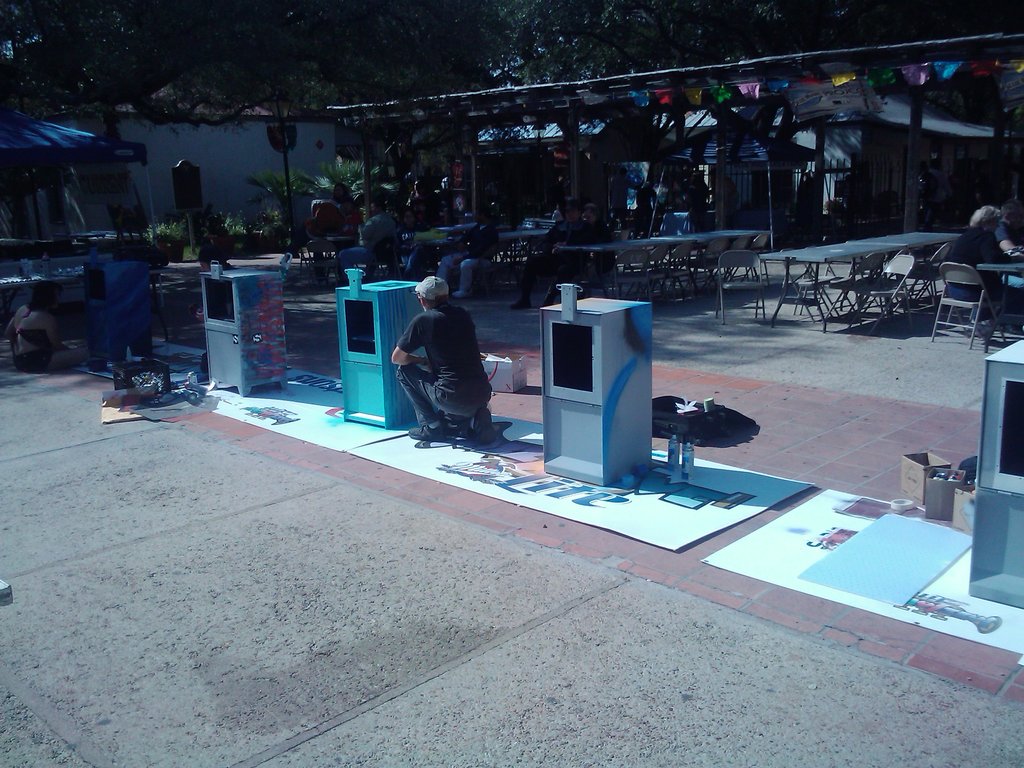
Tucked along the southern bank of the San Antonio River, just a short stroll from the buzz of downtown, La Villita Historic Arts Village is one of those places that quietly rewards everyone who wanders in. It does not announce itself with neon signs or a massive parking structure. It simply exists, as it has for nearly three centuries, a cluster of low limestone and adobe buildings draped in bougainvillea, their doorways opening onto studios, galleries, and artisan shops that feel genuinely alive rather than curated for a gift-shop crowd.
La Villita — which translates to “The Little Village” — is widely considered San Antonio’s oldest neighborhood. Indigenous people first settled this elevated ground along the river bend because it sat safely above the flood plain, and over the centuries the site evolved through Spanish colonial rule, the Texas Revolution, and waves of German and French immigrant craftspeople who left their architectural fingerprints on the buildings you can still touch today. When the City of San Antonio restored the village in the 1930s and ’40s, the goal was to preserve that living history rather than pickle it behind velvet ropes, and that spirit endures.
What I love most about an afternoon here is the unhurried pace. You can drift through the cobblestone pathways without an agenda and stumble onto a jeweler setting stones by hand, a ceramic artist pulling bowls from a kiln, or a painter whose canvases capture the Hill Country light in ways that make you want to rearrange your living room walls. Many of the resident artists work on-site in their studios, so you are often watching the creative process unfold right in front of you. That is a rarity in most tourist corridors, and it transforms browsing into something closer to a genuine cultural experience.
The village is located in the heart of downtown, bordered by Villita Street to the north and Nueva Street to the south, sitting neatly between the River Walk and HemisFair Park. It is walkable from most downtown hotels and, importantly, free to enter. A few hours here costs nothing unless you fall in love with a hand-thrown mug or a silver ring, which, fair warning, is a real possibility.
Throughout the year, La Villita serves as the backdrop for some of San Antonio’s most beloved festivals, including Fiesta’s beloved A Night in Old San Antonio, a four-night celebration that draws tens of thousands of visitors for food, music, and dancing across the village grounds. But you do not need a festival date on the calendar to make the trip worthwhile. On an ordinary Tuesday in October, the light falls golden through the pecan trees, the fountain in the central plaza murmurs steadily, and a resident glassblower might be shaping something luminous in a studio just steps away.
If you work up an appetite — and the sensory richness of the place tends to do that — the Little Church at La Villita hosts occasional community events, and the surrounding streets connect easily to the River Walk’s dining scene. Still, my advice is to slow down inside the village itself, buy something made by human hands, and let San Antonio’s oldest neighborhood remind you what a city’s soul actually looks like when it has been tended carefully across generations.