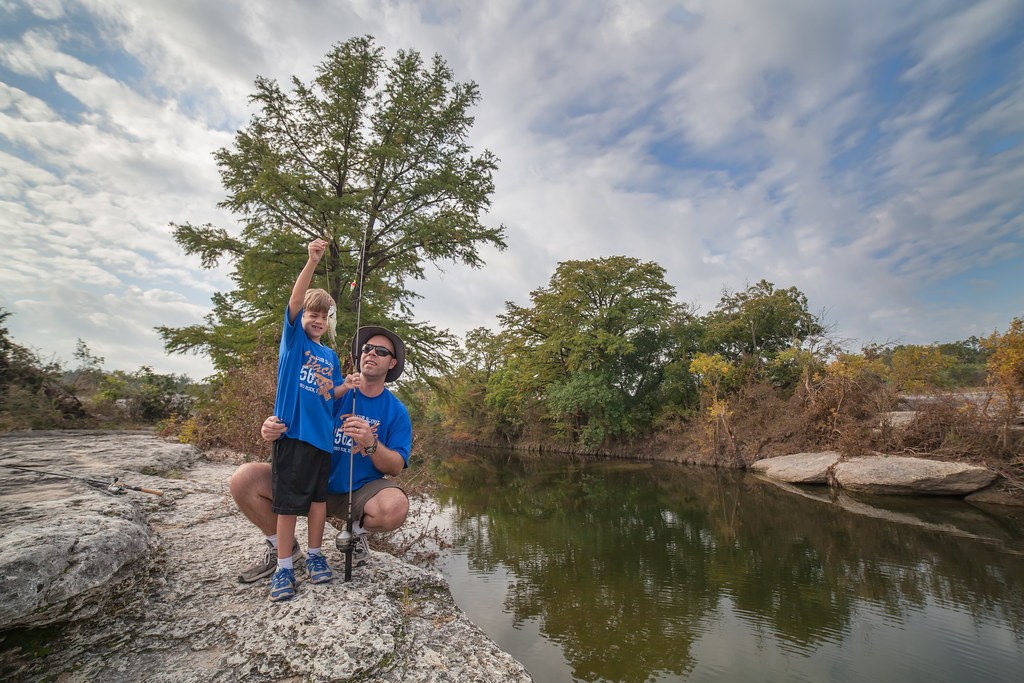
There is a place on the southeastern edge of Austin where two creeks converge, limestone shelves drop into clear rushing water, and the city noise fades to almost nothing. McKinney Falls State Park sits just eight miles from downtown, yet the moment you step past the trailhead and into the cedar and oak canopy, it genuinely feels like you have traveled somewhere remote and unhurried. That contrast — wild nature folded inside a busy metropolitan area — is exactly what makes this park one of the most rewarding half-days you can spend in Central Texas.
The park takes its name from Thomas F. McKinney, one of Stephen F. Austin’s original colonists, who built a homestead and gristmill here in the 1840s. You can still see the ruins of that mill standing near Onion Creek, mossy and dignified, a quiet reminder that this landscape has been drawing people in for nearly two centuries. History feels tangible here in a way that a museum exhibit simply cannot replicate.
Most first-time visitors make a beeline for the Upper Falls, and with good reason. The waterfall itself is modest — maybe four or five feet of drop over a broad shelf of exposed limestone — but the effect is theatrical. The water fans out wide, catches the light, and empties into a natural swimming hole that is genuinely refreshing on a hot Austin afternoon. After a good rain, the volume picks up considerably and the whole scene becomes something out of a postcard. Wear shoes you don’t mind getting wet, because the best vantage points involve stepping across slick rock, and that’s half the fun.
The Lower Falls, a short walk downstream, are quieter and often less crowded. The creek cuts through a narrow limestone channel there, and you can stretch out on the flat rock shelf with a book or simply watch the water move. It has the peaceful quality of somewhere that hasn’t been overly managed or manicured, and that feels increasingly rare.
For hikers, the park offers about eight miles of trails ranging from easy paved loops to the more rugged Onion Creek Hike and Bike Trail. The Flint Rock Loop in particular winds through some beautiful cedar savanna where you are likely to spot white-tailed deer browsing in the late afternoon. Birding is excellent throughout the year, with painted buntings making an appearance in warmer months that consistently stops people in their tracks.
Camping is available for those who want to extend the experience. The sites are well maintained, reasonably priced, and booking a spot on a weeknight in spring or fall feels like a genuine reward. Waking up to birdsong along Onion Creek, with coffee in hand and nothing pressing on the calendar, is about as good as Austin living gets.
Admission is just five dollars per person, making McKinney Falls one of the best-value outdoor experiences in the entire city. Parking fills up on weekend mornings, so arriving early or visiting on a weekday is strongly recommended. The park entrance is located at 5808 McKinney Falls Parkway, accessible from both William Cannon Drive and US-183. It is a straightforward drive from any part of Austin, and the payoff is immediate and lasting.
Whatever draws you — the swimming, the history, the hiking, or simply the need to breathe outside the city’s rhythm for a few hours — McKinney Falls has a way of exceeding expectations quietly, without any fanfare. That understated quality is precisely its appeal.