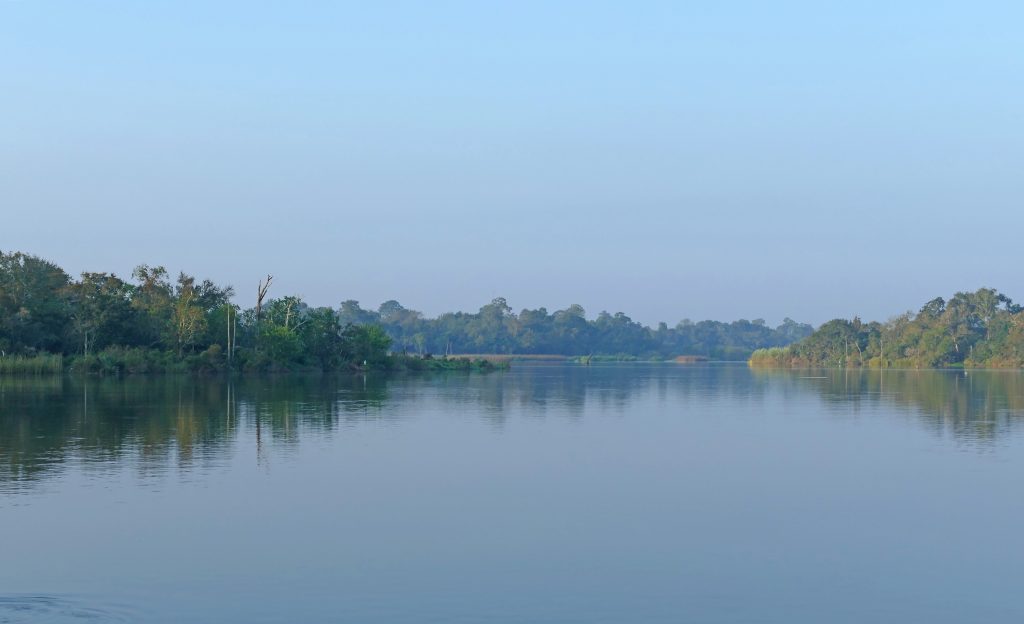
There is a place on the southeastern edge of Houston where the city noise dissolves completely, replaced by the creak of cypress trees, the splash of a great blue heron landing in still water, and — if you are lucky and quiet — the low, prehistoric rumble of an American alligator claiming its morning sun. Armand Bayou Nature Center, tucked into Pasadena just a short drive from the Johnson Space Center corridor off Bay Area Boulevard, is one of the largest urban wildlife refuges in the entire United States, and it has been hiding in plain sight for decades.
I first visited on a cool November morning, following a tip from a local birder who told me simply, “Bring your binoculars and leave your phone in your pocket for a while.” She was right. The moment I stepped onto the first of the center’s several trails, the suburban sprawl of the Houston metro felt like a rumor. The preserve protects more than 2,500 acres of coastal prairie, marsh, and bottomland hardwood forest — habitat so intact and diverse that it supports over 370 species of birds, 220 species of fish, and yes, a thriving population of American alligators that patrol the bayou with the calm authority of creatures who have been here far longer than any of us.
The trail system is genuinely accessible. The Martyn Trail is the longest and most rewarding, winding about three miles through a canopy of old oaks and along the bayou’s dark, tannin-rich waters. Interpretive signs are placed thoughtfully throughout, so even visitors who are not naturalists by training start to understand the ecological story unfolding around them. Shorter loop options make the preserve welcoming for families with young children or anyone who simply wants a peaceful hour-long walk without committing to a full afternoon.
What sets Armand Bayou apart from a typical nature trail is its commitment to living history. The center maintains a working 19th-century farm on site, complete with heritage-breed animals, period tools, and volunteers dressed in era-appropriate clothing who explain what pioneer life on the Texas coastal plain actually looked like. On weekends when the farm is staffed, it adds a surprisingly rich layer to the visit — one that children in particular find magnetic.
The pontoon boat tours are worth every penny of the modest fee. A naturalist guide takes small groups out onto the bayou itself, narrating the wildlife and geology with genuine expertise and a dry humor that keeps even restless teenagers engaged. Alligators are spotted on nearly every tour, and watching a six-foot reptile slide effortlessly into the water from three yards away is the kind of moment that recalibrates your sense of the world.
Admission is reasonably priced, parking is free, and the small visitor center has good exhibits on regional ecology. The center also runs excellent educational programs and guided night hikes through the year — check the website calendar before you go, because those evening programs book up fast.
If you have been telling yourself that you need to get out into nature but assumed Houston does not really offer that, Armand Bayou Nature Center is your answer and then some. Come for the alligators. Stay for everything else.