There are places in Los Angeles that stop you cold — not because they are loud or flashy, but because they carry a weight that you can feel the moment you step through the door. The Breed Street Shul, formally known as Congregation Talmud Torah, is exactly that kind of place. Tucked along Breed Street in the heart of Boyle Heights, this century-old synagogue is one of the most quietly extraordinary landmarks in all of East Los Angeles, and not nearly enough people make the trip to see it.
Built in 1923, the Breed Street Shul was once the spiritual center of one of the largest Jewish communities west of Chicago. At its peak, thousands of Jewish immigrants — many of them refugees from Eastern Europe — filled these pews, raised families on these streets, and built a neighborhood that crackled with cultural energy. Over the decades, as demographics shifted and the community dispersed, the synagogue fell into disuse. But it never fell into irrelevance. If anything, it became more meaningful with time.
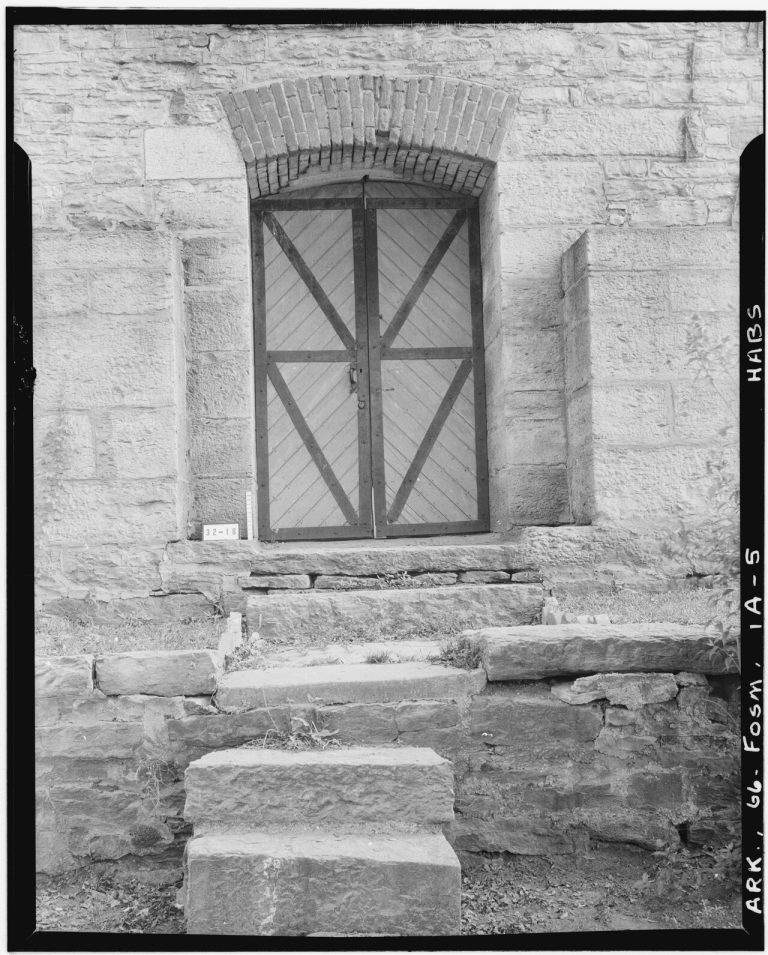
What you find when you visit today is a building in the careful process of being saved. The Breed Street Shul Project has been working for years to stabilize and restore the structure, and the progress is genuinely moving to witness. The exterior alone — a grand, Byzantine-influenced facade with arched windows and ornate brickwork — commands your attention from half a block away. Inside, remnants of the original hand-painted ceiling decorations and Hebrew inscriptions survive, faded but unmistakably beautiful. Standing in that sanctuary, you get a rare and almost visceral sense of the layers of history that Los Angeles tends to pave over.
What makes this landmark especially compelling is its relationship to the neighborhood around it. Boyle Heights today is a predominantly Latino community, and the Shul has become a touchstone for conversations about shared immigrant experience, cultural memory, and the surprising overlaps between communities that might seem, on the surface, to have little in common. Visiting here prompts genuine reflection — and genuine conversation with the people who are working to preserve it.
Guided tours are periodically offered, and they are well worth planning your visit around. Docents bring the stories to life: the families who worshipped here, the rabbis, the street life, the transformation of the neighborhood. The experience is never somber — it is animated by a deep respect for human resilience and the idea that places, like people, deserve a second chapter.
Breed Street runs just off César Chávez Avenue, and the surrounding blocks reward a slow walk. Grab a coffee nearby, wander the side streets, and let the afternoon breathe. East Los Angeles has a gift for revealing itself gradually, and the Breed Street Shul is one of its most generous revelations.
If you want to understand what this city is actually made of — not just its surface, but its sediment — start here. You will leave with more questions than you arrived with, and that is precisely the point.