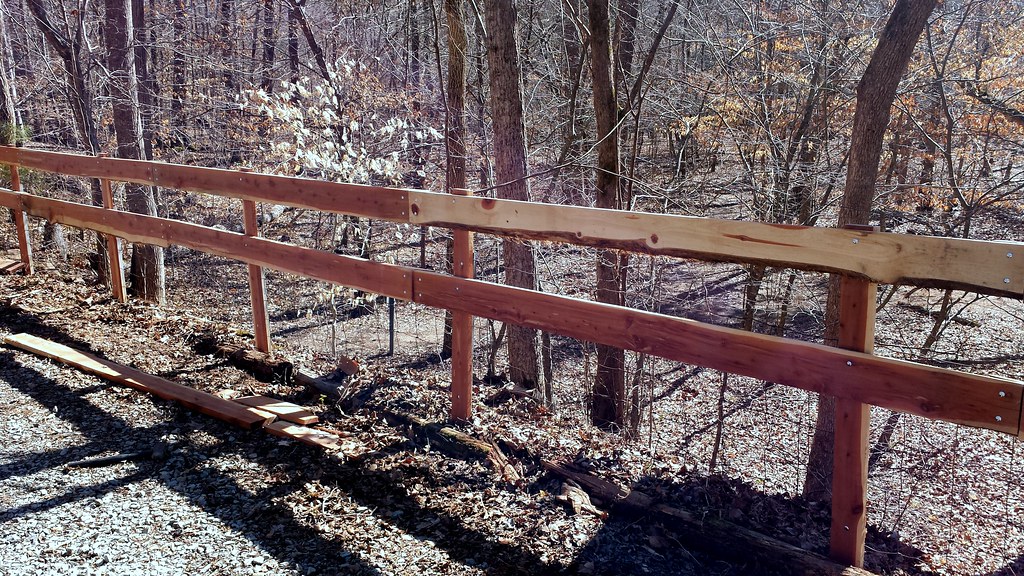
There is a moment, maybe ten minutes into walking the Concrete Bridge Road trail in Duke Forest, when the city noise drops away entirely and all you hear is the soft crunch of leaves underfoot and the occasional chatter of a Carolina wren overhead. That moment alone is worth the trip. But Duke Forest gives you so much more than a moment — it gives you thousands of acres of living, breathing woodland right on the edge of one of the most vibrant cities in the South.
Managed by Duke University since 1931, Duke Forest spans roughly 7,000 acres across six divisions in Orange and Durham counties. For our purposes, the Durham Division — accessible off Cornwallis Road and several other entry points near Erwin Road — is the crown jewel for casual hikers, trail runners, mountain bikers, and anyone who simply wants to feel a little less urban for an afternoon. And the best part? Admission is completely free.
The trail system here is genuinely varied. You have wide gravel forest roads that are perfectly manageable in trail runners or even sturdy sneakers, and then you have narrower singletrack paths that wind along creek banks and through stands of tulip poplar and white oak that have been growing here for decades. The Concrete Bridge Road loop is a perennial favorite — about four miles round trip with gentle elevation changes and a small wooden bridge crossing that feels almost impossibly picturesque in autumn. If you want to extend the adventure, connector trails let you piece together routes of eight miles or more without retracing a single step.
Spring is extraordinary here. Wildflowers like bloodroot, trout lily, and wild ginger carpet the forest floor in March and April before the canopy fills in and transforms everything into deep, cooling shade. Birders have long known that Duke Forest is exceptional during migration season, with warblers moving through in waves that can turn a two-hour walk into a four-hour delight if you bring binoculars.
There are practical things worth knowing before you go. Duke Forest is open to the public during daylight hours, and dogs are welcome on leash. Parking areas are small and fill up on weekend mornings, so arriving before 9 a.m. is wise if you want a spot without circling. The forest does not have restroom facilities at most trailheads, so plan accordingly. A trail map is available on the Duke Forest website and is genuinely useful — some of the interior junctions can feel ambiguous without one.
What makes Duke Forest feel different from a typical city greenway or county park is its sense of permanence and scale. This land has been protected for nearly a century. The trees are old, the creek corridors are healthy, and the whole place carries a quiet dignity that you feel before you can quite articulate it. Whether you are a Durham local who somehow has not made it out here yet or a visitor looking for something beyond the usual downtown itinerary, Duke Forest delivers an experience that is genuinely hard to replicate. Lace up, bring water, and go find your moment.