Most first-timers rolling into Denison figure the big historical draw is Eisenhower — the birthplace, the plaques, the obligatory photo. Fair enough. But if you turn off Main Street and spend an hour at the old Grayson County Jail building on Gandy Street, you’ll walk out having learned something genuinely strange about how this corner of North Texas came to be — and you won’t have shared the experience with a single tour bus.
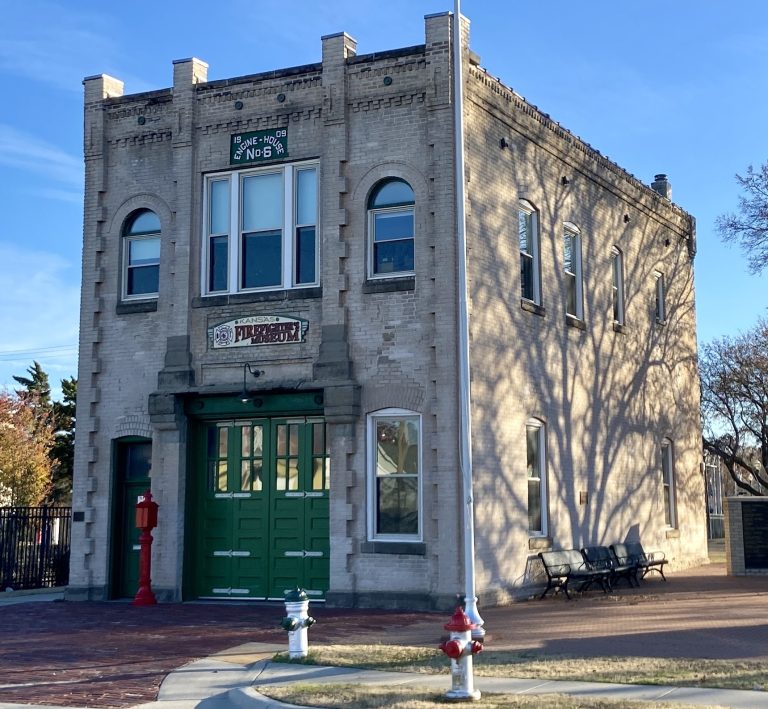
The building itself does most of the talking before you even get inside. It’s a squat, red-brick structure that was purpose-built to hold people who did not want to be held, and it looks like it. Thick walls, small windows, a certain heaviness about it that newer construction simply can’t fake. It served as the county jail for the better part of a century, and whoever had the idea to turn it into a local history museum clearly understood that the bones of the place were already doing half the work.
Inside, the collections skew toward everyday Denison life — late 1800s through the mid-twentieth century. You’ll find items connected to the railroad era, which built this town in a very literal sense: the Missouri-Kansas-Texas line dropped Denison on the map in 1872, and the museum doesn’t let you forget it. Old rail equipment, photographs of the original downtown, ledgers and letters that somehow survived. None of it is flashy. Some of it is barely labeled. That’s either a charming quirk or a minor frustration, depending on how much you like filling in gaps yourself.
The jail cells themselves are still accessible, which is the part visitors tend to mention afterward. They’re small — obviously — and the iron feels cold even in July. Standing in one for thirty seconds gives you a visceral sense of county justice in 1910 that no interpretive panel can really replicate. The docents, usually older volunteers who genuinely know this history rather than having memorized a script, are worth talking to if you can catch one. Ask about the town’s early lawlessness and you might get a half-hour you didn’t plan on.
Admission is modest — a few dollars, sometimes just a suggested donation — which means there’s essentially no financial risk in trying it. The museum is open limited hours, typically Tuesday through Saturday, so checking ahead before you make a trip specifically for it is worth the thirty seconds of planning. Parking is uncomplicated; this isn’t a part of town where you’ll circle the block.
The honest answer to whether it’s worth stopping: yes, if you want context for what Denison actually is rather than just what it commemorates. The Eisenhower birthplace tells you a famous person happened to be born here. The jail museum tells you what kind of place this was when he was. Those two things together make for a more complete afternoon than either one alone — and the jail museum will take up considerably less of your time than you might expect, which is either reassuring or a mild disappointment, again depending on you.
It won’t compete with the big regional draw sites for foot traffic or polish. But it’s a real local history museum in a real historic building, and in a town with genuine railroad roots, that counts for something.