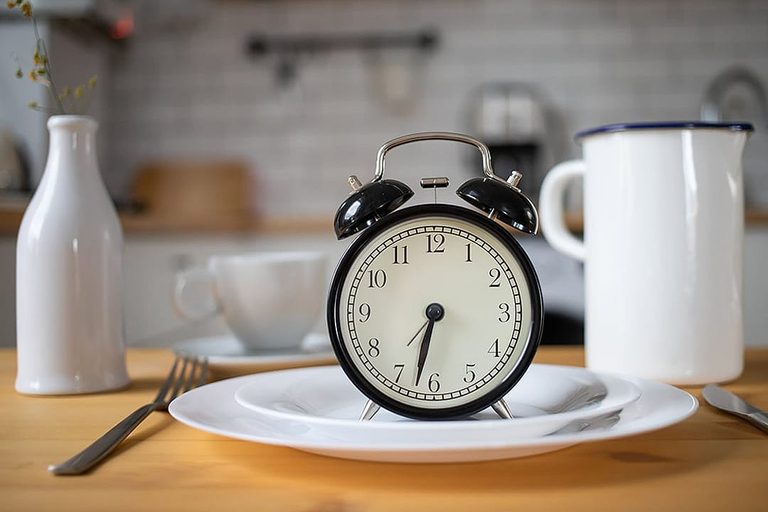
Fasting has become a popular tool for weight loss and metabolic health, but many people wonder what they can safely drink while abstaining from food. The short answer is simple: choose low‑ or no‑calorie beverages. Water, black coffee, plain tea, sparkling water and sugar‑free electrolyte drinks all count as zero‑calorie options that won’t interrupt the fasting process for most goals.
Why Calories Matter
Technically, any intake of calories ends a strict zero‑calorie fast because the body detects energy and may activate nutrient‑sensing pathways. However, for practical purposes such as weight loss or improving metabolic markers, a few extra calories rarely derail the benefits. Small amounts of fat or collagen, for example, provide calories but usually have minimal metabolic impact for most people.
Staying Hydrated and Replenishing Electrolytes
During a fast, glycogen stores are depleted and the kidneys excrete more sodium, leading to increased fluid loss. This loss is most pronounced in the early hours of a fast and can cause fatigue or headaches. Replacing both fluid and electrolytes helps you stay hydrated and feel better. Sugar‑free electrolyte water is a good choice, but always read the label for hidden sugars or calories.
Common Low‑Calorie Choices
- Water – The gold standard. Drink to thirst and avoid over‑consumption.
- Black coffee – Typically about 5 calories per cup. It also provides antioxidants and may support autophagy, according to some laboratory studies.
- Plain tea – Usually 2 calories per cup. Like coffee, it offers antioxidants without breaking a fast.
- Sparkling water – Carbonated, calorie‑free, and refreshing.
- Sugar‑free electrolyte drinks – Choose versions with no added sugars or significant calories.
- Diet soda – Zero‑calorie sodas sweetened with stevia or monk fruit are acceptable, though some research suggests artificial sweeteners might affect gut microbiota; evidence in humans is mixed.
What to Avoid
Any beverage that contains noticeable calories—such as regular soda, fruit juices, milk, creamers, or bone broth—will end a strict zero‑calorie fast. Adding fat, protein, or collagen to coffee or tea also introduces calories and can activate pathways like mTOR, which are associated with growth processes rather than fasting benefits.
How Much to Drink
There is no universal daily water target for fasting. Your needs depend on body size, activity level, climate, and the length of your fast. Listen to your body’s signals and aim for a “just right” amount—enough to stay hydrated without feeling bloated.
Putting It All Together
If a fasting routine helps you eat better, maintain a healthy weight, or feel more energetic, it can be a valuable tool. The key is to keep the drinking window simple: stick to water, black coffee, plain tea, sparkling water, and sugar‑free electrolyte drinks. Avoid anything with added sugars, cream, or significant calories. By doing so, you preserve the metabolic shift toward fat burning and keep insulin and mTOR signaling low, which are the core benefits many fasters seek.
Bottom Line
When you fast, choose low‑calorie drinks to stay hydrated and support your health goals. Small caloric slips are unlikely to ruin progress, but zero‑calorie options remain the safest path for a true fast.
Original reporting: KTVZ (Central Oregon) — read the source article.