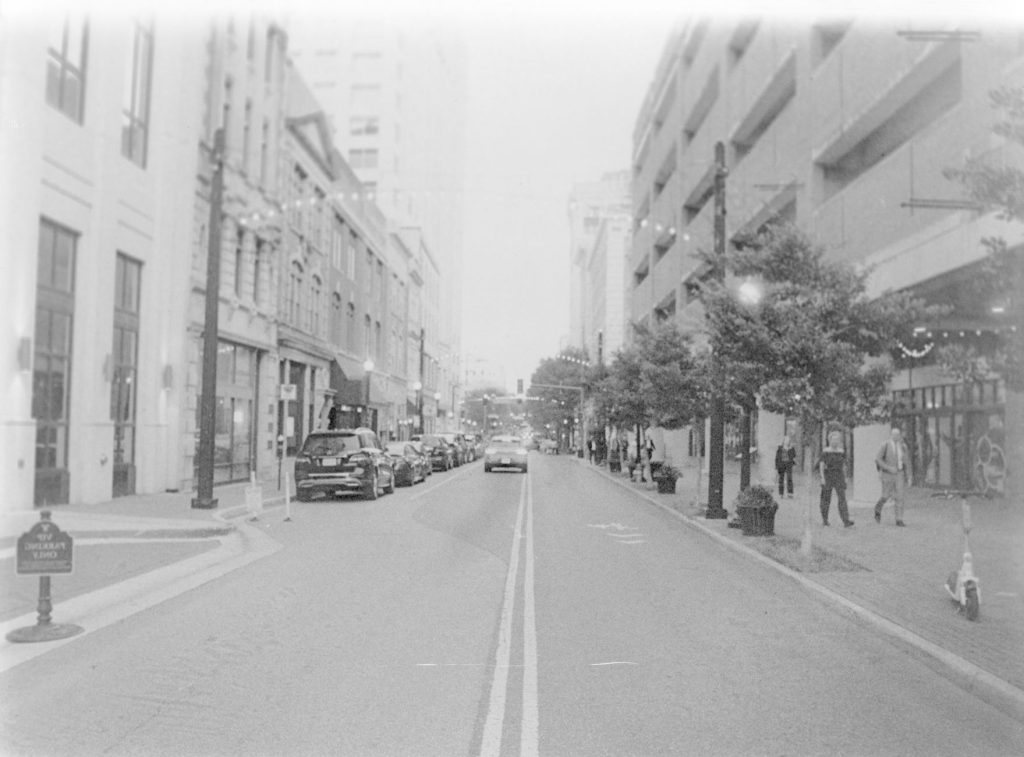
What does a Sunday morning look like on Granby Street before the lunch crowd arrives? Quieter than most people expect. A few dog walkers cut through the blocks between Brambleton and City Hall Avenue. The coffee shop doors prop open. The sidewalks, which can feel genuinely alive on a Friday night, give back some of their width to pigeons and delivery drivers.
That contrast — weekend night energy against Sunday calm — is what makes Granby Street worth understanding as a place rather than just a route. Norfolk’s main commercial corridor runs roughly two miles through downtown and has been the city’s central spine through multiple reinventions: retail hub, near-abandonment in the 1990s, and a slow, uneven recovery that’s still ongoing in spots.
The block between 21st and 23rd Streets is where most of the foot traffic concentrates on a given evening. Bars, music venues, and restaurants cluster here, and on weekends the sidewalks fill with a crowd that skews younger and more mixed than the tourist-facing waterfront a few blocks east. The energy isn’t manufactured — it comes from people who actually live in the surrounding neighborhoods walking to a show or a late dinner rather than checking items off a list.
Several spots along the strip have earned their regulars. Venue 42 and The Boot host local and regional acts with minimal fuss — general admission floors, reasonable cover charges usually in the $10–$15 range, and sound systems that do the job without overwhelming. The Virginia Arts Festival and other city programming pull Granby into their orbit seasonally, which means some weekends the whole corridor takes on a different texture depending on what’s happening a block over.
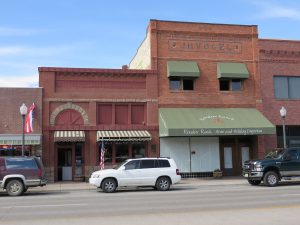
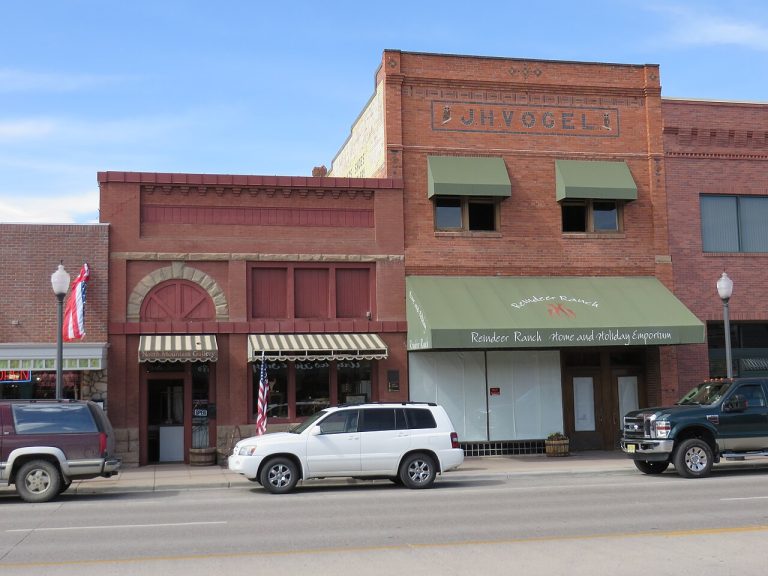
During the day, the street is more functional than scenic. Parking garages, a bank, a pharmacy. Some storefronts are still working through long vacancies. A few newer businesses — a barber shop here, a specialty retail spot there — have moved into spaces that sat empty for a decade. It’s not a finished product, and nobody who’s been paying attention pretends otherwise.
That incompleteness is part of what makes it honest. Granby Street doesn’t perform a version of itself. The blocks around the old Monticello Hotel, which has been converted into apartments, feel different from the blocks closer to Scope Arena, which feel different again from the stretch heading south toward the medical district. Walking it end to end takes maybe thirty minutes and gives a clearer picture of where downtown Norfolk actually is — not where it’s being marketed to be — than almost anything else in the city.
The best time to go is early on a Saturday evening, somewhere around 6:30, when the dinner hour is warming up and the bar crowd hasn’t fully arrived. Restaurants along the strip run a range from fast-casual to sit-down, with most entrees landing between $14 and $28. Street parking is metered but often available outside of event nights. The MacArthur Center mall anchors the northern end if the weather turns.
Granby Street is less a destination than a measure. Spend an hour on it at different times of day and a clearer sense of the city comes into focus — not just its aspirations, but the distance still left to travel.