What does a real jazz club look like in Omaha? Not the kind with a pianist tucked into a hotel corner, not a bar that books jazz on alternating Thursdays to fill a slow night. A place built specifically around live performance, where the sightlines matter, the sound system was chosen by someone who actually cares, and the artists on stage aren’t background noise for a table of people splitting an appetizer.
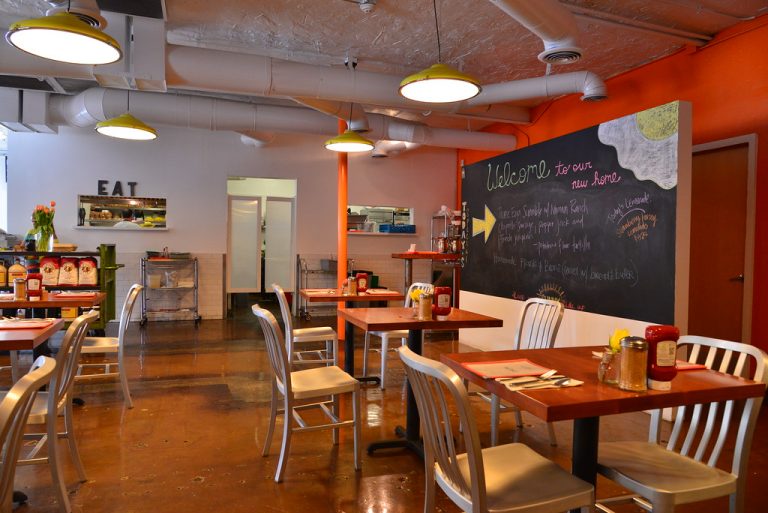
The Jewell, on Farnam Street in the Blackstone District, comes closer to answering that question than almost anywhere else in the city. It opened in 2019, occupying a renovated space that manages to feel deliberate rather than decorated. The room is intimate by design — maybe 200 people at capacity — with a low stage, warm overhead lighting, and enough exposed brick to acknowledge its age without wallowing in it. Tables are close together. That’s not a complaint. Jazz clubs are supposed to feel close.
The calendar leans heavily on national touring acts rather than relying exclusively on local regulars. Regional and local musicians do appear — Omaha has a deeper jazz and blues bench than most mid-sized cities are given credit for — but The Jewell books the kind of names that require a ticket purchase in advance. Gregory Porter has played here. So has Kandace Springs. The venue regularly pulls in artists who might otherwise stop only in Kansas City or Chicago, which speaks to something real about how the room is regarded by booking agents and managers.
Shows typically run $20 to $45 depending on the act, with occasional larger headliners pushing past that. The bar program is solid without being showy — good whiskeys, serviceable wine, beer that covers the range without trying to be a craft beer destination. A small food menu keeps things moving but nobody shows up to eat. That’s fine. That’s honest.
Doors usually open 45 minutes before showtime, and the room fills steadily. First-timers tend to arrive expecting a quieter, more reverent atmosphere than they find. The crowd at The Jewell skews mixed — ages, backgrounds, levels of familiarity with the artists — and the energy in the room before a show is genuinely warm rather than hushed. Between sets, conversation picks back up. During the music, though, people actually listen. That’s the thing a first visit makes clear: this is not a venue where the performance competes with the noise of a busy restaurant.
Parking is manageable in the Blackstone area on most weeknights, tighter on weekends when the district fills up. The venue itself is accessible and the staff tends toward knowledgeable rather than perfunctory — the kind of people who can tell you who’s on the bill next month without checking a phone.
The Jewell doesn’t try to be everything to everyone on a given night. It books music it believes in, holds a room to a reasonable standard, and lets the performances carry the weight. For a city that sometimes undersells its own cultural life, that consistency matters. Check the calendar a few weeks out. The good shows sell.