What do you actually find inside Erector Square on a rainy Saturday morning in November? That question stopped me the first time I drove past the complex on Elm Street in the East Side neighborhood — a cluster of old factory buildings with a water tower and a parking lot that’s usually half-full on weekends. I’d heard artists lived and worked there. I didn’t know you could just walk in.
You can. The ground-floor studios and common hallways are open to the public during market weekends and scheduled open-studio events, which tend to cluster in the fall and around the holidays. The building itself was originally the Gilbert Erector Set factory — yes, that Erector Set — and the bones of the place still show: high ceilings, wide industrial windows that let in gray November light beautifully, exposed brick, freight elevators with hand-painted signs. It doesn’t feel like a curated experience. It feels like a building that got repurposed by working people who needed cheap square footage.
The market, when it runs, occupies the main corridor and spills into individual studios. You’ll find printmakers selling small-run editions for $20–$60, jewelers working with reclaimed metal, photographers with framed prints, ceramicists, textile artists. The price range is genuinely broad — a hand-thrown mug might go for $18, a larger ceramic piece for $120. Nothing is priced to impress you. Most of the artists are right there, willing to talk if you’re curious, unbothered if you just want to look.
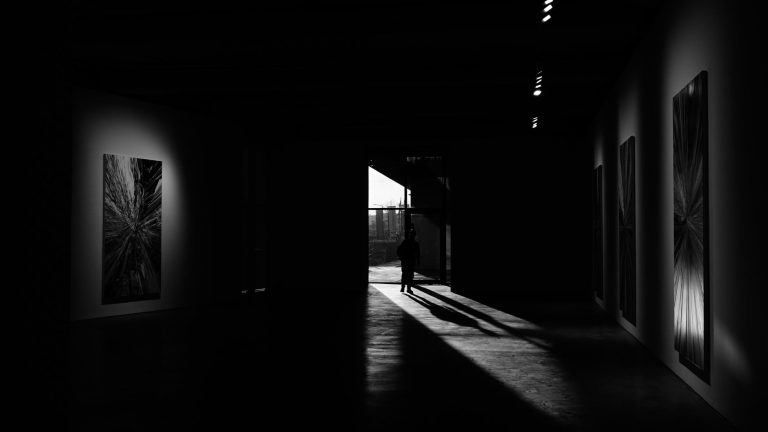
What makes it worth the trip isn’t the market itself, exactly. It’s the building operating as a building — staircases that creak, the smell of linseed oil and coffee, studio doors propped open so you can see someone actually working. One painter had a half-finished canvas on the wall and a cup of tea on the windowsill and barely looked up when I passed. That’s not performance. That’s just Tuesday-morning painting that happened to spill into a Saturday.
Parking is free in the lot off Elm Street. There’s no admission. The open-market events are typically scheduled a handful of times per year, with the fall run in October and November being the most active. Check the Erector Square social media pages or the Bridgeport Arts Trail listings before you go — the schedule isn’t always posted far in advance, and showing up on a closed weekend means a quieter experience, though the exterior and courtyard are still worth seeing.
The East Side location is worth noting. This isn’t downtown Bridgeport’s more traveled corridors. Elm Street here is industrial, mixed-use, and doesn’t cater to foot traffic. That’s fine. Drive or take a rideshare. Give yourself an hour minimum if the market is running, longer if you’re the kind of person who ends up in a conversation about relief printing.
Bridgeport has a lot of creative infrastructure that doesn’t announce itself loudly. Erector Square is probably the clearest example of that — a functioning artists’ community in a historic building that’s been quietly doing its thing for years. Whether the market is on or not, the place earns a look.