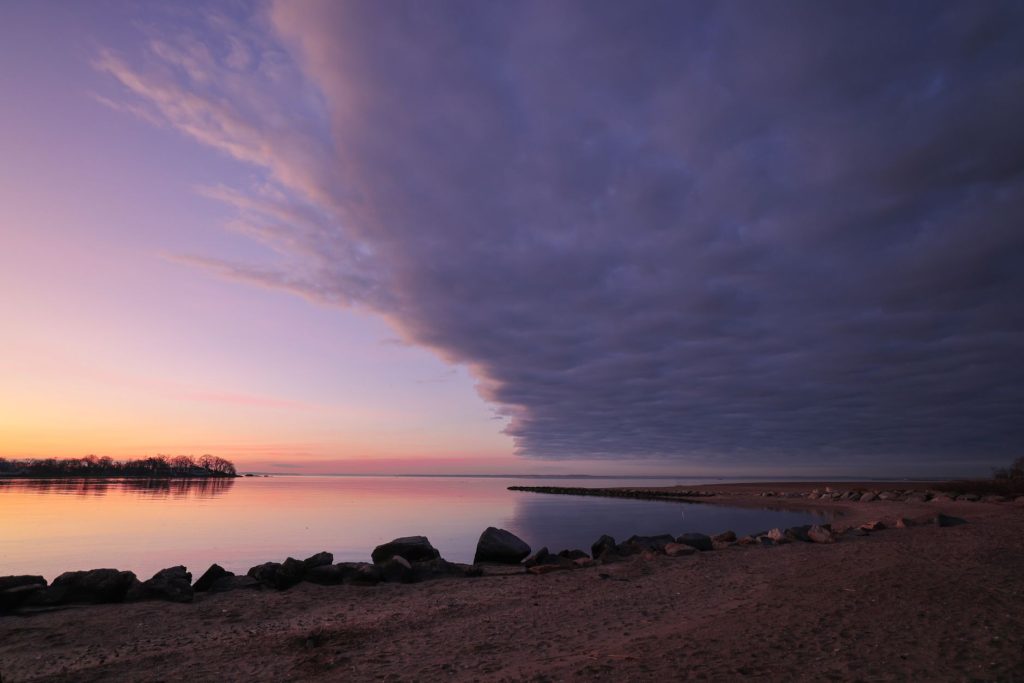
Say it’s a Saturday morning in late September and you’re standing on the dock at Cove Island Park watching a 80-foot schooner ease out into the gray-green water of Long Island Sound. The question most people ask at that point is: can I actually get on that thing? The answer is yes, and it costs less than dinner for two.
SoundWaters operates out of its Community Center on Cove Road, a low, purposeful building that sits right at the water’s edge near the park entrance. It’s been doing environmental education on the Sound since the early 1990s, and while the organization runs school programs and research work, it also opens its doors—and its boat—to anyone who wants to show up. The public sails on the tall ship SoundWaters run from roughly May through October, and tickets typically land between $30 and $45 for adults, less for kids. You don’t need sailing experience. You don’t need anything except a willingness to be on a boat for two hours while someone who clearly loves this water talks to you about what’s living in it.
The sails themselves are worth it on their own. You leave the dock, pick up wind, and within fifteen minutes Stamford’s skyline is behind you and the Connecticut coast is just a low green line. On clear days you can see the Long Island shore. The crew—a mix of staff and trained volunteers—will haul up the sails with help from whoever wants to grab a line, and they’re good about making it feel participatory without being forced about it. Kids tend to go feral in a good way. Adults tend to get quiet.
What sets the experience apart from a standard harbor cruise is the science component. They trawl a plankton net, haul it up, and show you what’s in it under a hand lens. They might pull a blue crab out of a trap, talk through the food web, explain what warming water is doing to the striped bass population. It’s not a lecture—it’s more like being on a boat with someone who finds this stuff genuinely interesting, which is contagious.
Back on land, the community center itself is worth a walk-through. There are touch tanks, some modest but well-maintained exhibits on Sound ecology, and rotating programming that includes kayak tours and shoreline restoration volunteer days if you want to get more involved. The building is small but it’s doing a lot of work.
The best time to go is probably September or early October, when the summer crowds thin out, the light on the water gets that particular afternoon quality, and the boat isn’t packed to capacity. July is fine too, but you’ll share the deck with more people and the Sound traffic picks up. Check the SoundWaters website before you go—sails can fill up and weather cancellations happen. They’re good about updating the calendar.
It’s one of those Stamford experiences that people who’ve lived here for years have never tried, which is a shame. The Sound is right there. This is probably the most direct way to actually understand what you’ve been looking at from the shoreline your whole life.