Bandera County residents received an urgent alert this week after the Texas Animal Health Commission confirmed a case of New World screwworm in a local horse. The discovery, documented two days ago, has led county officials to establish an infested zone and to call on owners of livestock, pets, and wildlife to stay alert.
What is New World screwworm?
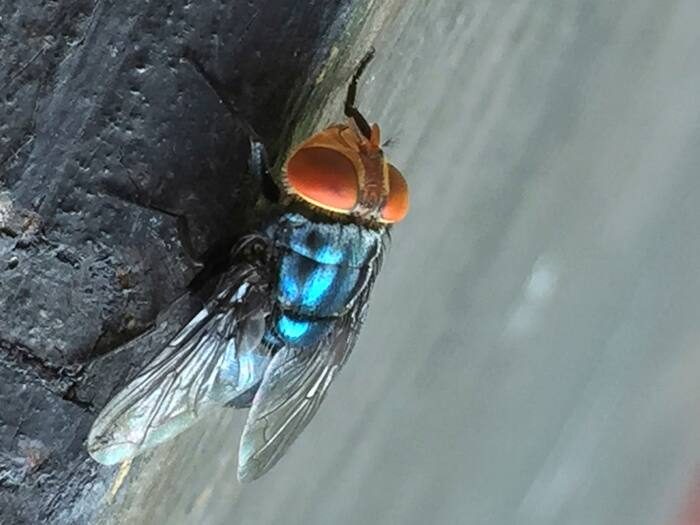
New World screwworm (Cochliomyia hominivorax) is a parasitic fly whose larvae feed on the living tissue of warm‑blooded animals. An infestation can cause severe wounds, infection, and even death if not treated quickly. The insect is not a threat to humans, but it poses a serious risk to the agricultural economy and to animal welfare.
Official response and guidance
Kendall County’s Office of Emergency Management and Fire Marshal posted a notice on Facebook on Wednesday, urging residents to act swiftly. “If you suspect a New World screwworm infestation, do not delay reporting it,” the post read. “Early detection and reporting are critical to limiting the spread and minimizing long‑term impacts to livestock, pets, and wildlife.”
The office has designated a quarantine area around the affected location and is working with the Texas Animal Health Commission to monitor the situation. Residents in the surrounding zone are asked to inspect all animals for signs of infestation, which include open wounds with a foul odor, maggots emerging from the wound, and rapid tissue loss.
How to spot an infestation
Animal owners should look for the following warning signs:
- Unexplained wounds that do not heal
- Presence of small, white or cream‑colored larvae in wounds
- Foul odor emanating from the wound site
- Sudden loss of hair or fur around a wound
If any of these symptoms are observed, the Texas Animal Health Commission advises contacting local animal health officials immediately. The commission’s hotline and online reporting form are available for rapid response.
Additional detection in West Texas
In a related development, the Texas Animal Health Commission reported a separate detection of New World screwworm in Reagan County, also in West Texas. A second infested zone has been established there, underscoring the need for statewide vigilance.
Preventive steps for owners
To protect animals, officials recommend the following measures:
- Keep wounds clean and covered until a veterinarian can assess them.
- Maintain good pasture hygiene by removing animal carcasses promptly.
- Limit exposure of animals to flies during peak breeding seasons.
- Consult a veterinarian about preventive treatments, such as insecticide sprays approved for livestock.
By acting quickly and reporting suspected cases, residents help protect the health of the county’s livestock, pets, and wildlife, and support the broader effort to keep Texas’s agricultural sector safe.
Resources
For more detailed information on how to protect animals from screwworm, visit the Texas Animal Health Commission’s website or follow the latest updates on the Kendall County emergency management Facebook page.
Original reporting: San Antonio, TX News (HLL/CB) — read the source article.