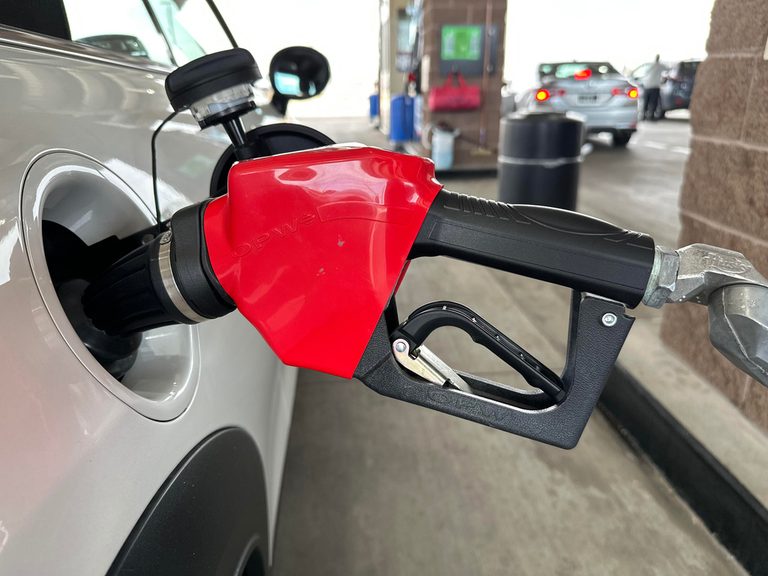
Back in 2008 a columnist warned that the United States could someday face gasoline prices of $10 a gallon. While that exact trigger has not yet arrived, many of the trends he identified are already unfolding. Below is a concise review of his predictions and the latest data that illustrate how higher fuel costs could affect everyday life.
Air travel may become a luxury
Airlines have already seen a wave of consolidations, and jet fuel prices are up roughly 80% in 2026 since the start of the Iran conflict. Higher fuel costs push ticket prices upward and force carriers to trim service. Business travelers are increasingly turning to tele‑conferencing, which could reduce airport congestion but also limit travel options for those who still need to fly.
Highway congestion could ease, but road quality may suffer
With gasoline prices climbing, many commuters are cutting back on driving. Rush‑hour traffic on major corridors such as I‑95 is reported to be lighter as a result. However, the cost of asphalt—derived from petroleum—has risen about 42% in the Northeast since February, making road maintenance more expensive. Reduced gas‑tax revenues further strain state budgets, potentially leading to more potholes and delayed repairs.
Home heating and energy costs
Home heating oil has risen even faster than gasoline, up roughly 26% since the Iran war began. Some homeowners are limiting heating to the legally mandated 60 °F in colder months and relying on wood stoves, which are also in shorter supply. Sweaters are becoming a practical wardrobe choice for many families.
Mass‑transit systems may see higher ridership
Transit agencies are responding to reduced car use by adjusting fare structures and increasing capacity. In some regions, rail operators are adding standing room and offering discounted tickets. Despite fare hikes, ridership is projected to grow as more people turn to trains and buses for daily travel.
Local commerce and daily life
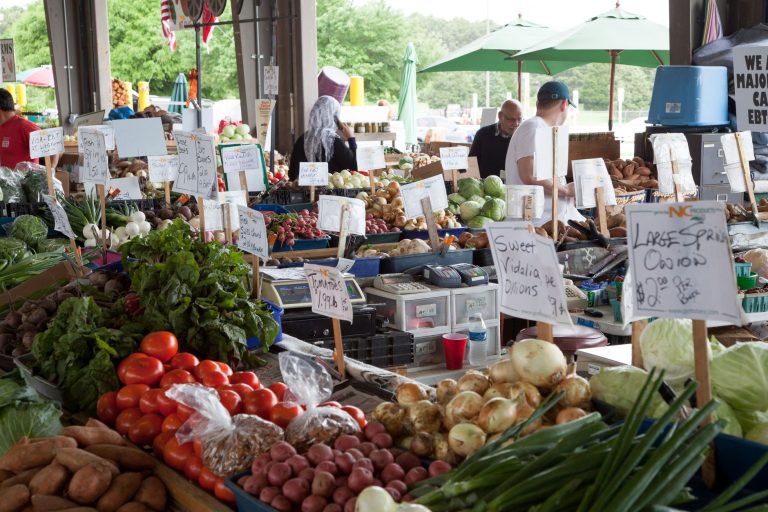
Fewer trips to the grocery store and other retailers are expected as households consolidate shopping trips. Food prices are climbing because farmers depend heavily on oil for fertilizer, packaging and transport; diesel prices were up 78% in September 2026 alone. Out‑of‑season imports become rarer, and many restaurants face higher ingredient costs, prompting a shift toward more modest dining options.
Housing and school transportation
Higher fuel costs could encourage a move toward walkable neighborhoods with strong transit links, potentially lowering demand for large suburban homes. School districts may see increased bus usage as families cut back on driving children to extracurricular activities.
Environmental considerations
In response to tighter oil supplies, Congress has considered loosening clean‑air regulations to allow greater coal use at power plants. This could raise air‑pollution levels and contribute to acid rain in the Northeast. Higher carbon emissions would also accelerate climate‑related impacts such as sea‑level rise and more intense hurricanes.
What families can do now
While the $10‑a‑gallon scenario remains a projection, families can prepare by budgeting for higher transportation costs, exploring tele‑work options, and considering more fuel‑efficient vehicles. Community leaders and policymakers are urged to keep an eye on fuel‑price trends and to develop strategies that protect families from the worst effects of rising energy costs.
Original reporting: The Connecticut Mirror — read the source article.