The 2026‑27 NBA season is shaping up to be a tale of two halves in the Western Conference. While the league’s traditional powerhouse region still houses a stacked top six, the bottom‑tier teams look considerably weaker than in recent years. This dynamic could give the Eastern Conference its best chance in two decades to claim overall superiority.
Top Six: Loaded with Talent
At the summit of the West, the Golden State Warriors remain a threat, still carrying the championship pedigree that defined the last decade. Their veteran core, led by Stephen Curry, continues to blend experience with a deep bench of shooters.
The Los Angeles Lakers have added rim protection in Walker Kessler, aiming to shore up defensive gaps that plagued them last season. Though they lost LeBron James, the team’s success now hinges on Luka Dončić’s ability to dominate and on the new coaching staff’s ability to maximize the roster’s strengths.
In Denver, the Denver Nuggets retain Nikola Jokić, still a legitimate candidate for the league’s best player. His partnership with Jamal Murray provides a high floor, provided both stay healthy. The biggest question for Denver is whether Aaron Gordon can stay on the court for a full season.
The Utah Jazz finally put an end to their tanking cycle, banking on rookie sensation Darryn Peterson to accelerate their rise. If Peterson lives up to his hype, the Jazz could become a surprise contender.
Both the Phoenix Suns and Portland Trail Blazers are emerging from over‑achievement seasons and are poised to take the next step. Phoenix’s aggressive defensive schemes under coach Jordan Ott have already produced a 45‑win debut, and the Blazers’ young core looks ready to challenge the status quo.
Finally, the San Antonio Spurs have a once‑in‑a‑generation talent in Victor Wembanyama. The 7‑foot‑5 rookie is already being called the best defensive player in the game, and his development alongside De’Aaron Fox and Dylan Harper could push the Spurs into the top‑two seed if he stays healthy.
Mid‑Tier and Bottom‑Tier Teams: A Softer Landscape
The Oklahoma City Thunder remain a solid regular‑season team, anchored by Shai Gilgeous‑Alexander’s elite creation ability and a stout defense. However, injuries to Jalen Williams and Ajay Mitchell last season raise questions about their ability to repeat a back‑to‑back run.
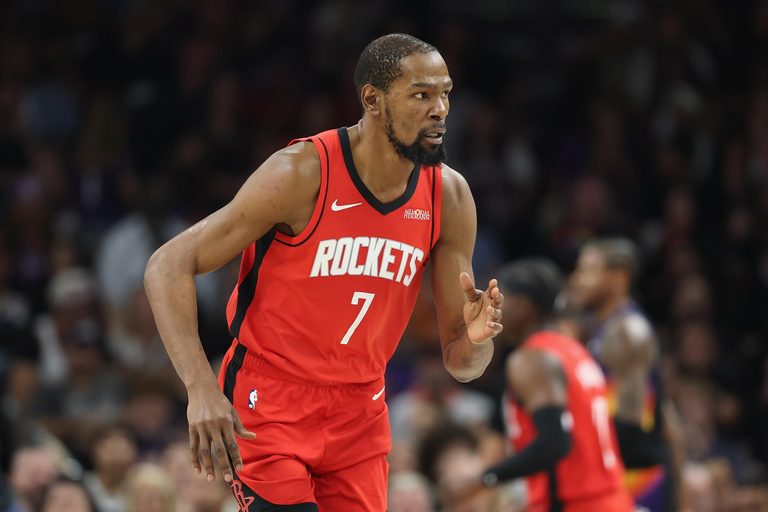
In Houston, the Rockets have added Kevin Durant and a promising young core that includes Alperen Şengün, Amen Thompson, Jabari Smith Jr., and Reed Sheppard. While the talent pool is impressive, the team must translate that into consistent performance to contend for a top‑three seed.
The Minnesota Timberwolves bank heavily on the health of veteran center Rudy Gobert and the scoring of Anthony Edwards and LaMelo Ball. Their upside is high, but the risk remains if Ball’s ankle issues resurface.
Meanwhile, the Los Angeles Clippers, Dallas Mavericks, and New Orleans Pelicans all face questions about depth and consistency. Their rosters contain star power, yet they lack the depth that the top six enjoy.
What This Means for the East
With the Western Conference’s lower half appearing softer, the Eastern Conference’s top teams—particularly the Boston Celtics, Milwaukee Bucks, and Miami Heat—have a realistic shot at overtaking the West in the overall standings. The East’s balance of veteran leadership and emerging talent could finally tip the scales after two decades of Western dominance.
Fans should watch the early season matchups closely, as they will likely set the tone for the rest of the year. If the West’s bottom teams fail to close the gap, the 2026‑27 season could be the most competitive the NBA has seen in years, with the conference balance finally in question.
Original reporting: All Sports Feed (HLL/CB) — read the source article.