West University Place officials met with CenterPoint Energy on November 9 to explain the utility’s tree‑management and vegetation‑clearance procedures and to outline how residents can request service‑drop inspections or trimming.
Utility’s trimming guidelines
CenterPoint service‑area manager Joshua McGinty described the company’s definition of a “service drop” – the line that runs from a pole to a weatherhead on a home. When a resident or the utility identifies vegetation that could damage that line, CenterPoint may trim the foliage after an on‑site inspection.
McGinty said the company uses LiDAR (light detection and ranging) technology to map heavy‑vegetation areas. Inspectors then visit the mapped sites to verify the data before any work begins.
Council questions and responses
City Council members asked how CenterPoint monitors trees proactively when no resident complaint is filed and how the utility balances trimming standards with the health of the trees. McGinty explained that crews are trained to prune limbs directionally, a practice that encourages trees to grow away from power lines and reduces future trimming needs.
Officials noted that CenterPoint’s approach follows industry standards and is intended to protect both the electric system and tree health.
Request process and notifications
Homeowners can call CenterPoint or visit its website to request an inspection or tree‑trimming service. When a job is scheduled, residents receive door‑hang‑ers 7‑10 days before crews arrive, along with a diagram of the planned work.
For outage reporting or hazard notifications, residents may use CenterPoint’s virtual Action Center, which allows users to upload contact information, location details, and up to three photos of the hazard. Reports are routed to the appropriate operations team for prompt response.
Potential one‑time trimming program
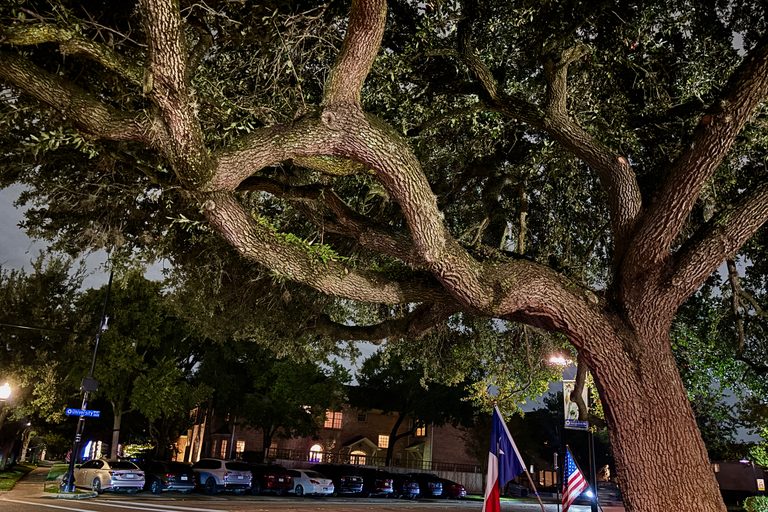
Mayor Pro Tem John Barnes and Mayor Susan Sample discussed a possible one‑time program to address trees whose branches encroach on streetlights, dimming sidewalk illumination. Barnes emphasized the need to inventory affected trees, while Sample suggested a careful assessment before any cutting, noting West University Place’s “tree city” status.
The city’s fire code already requires that any branch extending below a streetlight bulb and over the curb be removed. Council members directed staff to solicit proposals from arborist firms for future cost consideration and to develop a program that balances safety with tree preservation.
Next steps
City staff will compile data on overgrown branches affecting streetlights and sidewalks, then return with program options for council review. In the meantime, residents are encouraged to contact the city or CenterPoint directly with any tree‑management concerns.
Original reporting: Community Impact — Houston — read the source article.