On November 2, the DeSoto County Board of Supervisors adopted an ordinance that makes the sale, distribution and manufacturing of kratom products illegal within the county. The measure was presented as a step to protect the public health, safety and welfare of DeSoto residents.
What is kratom?
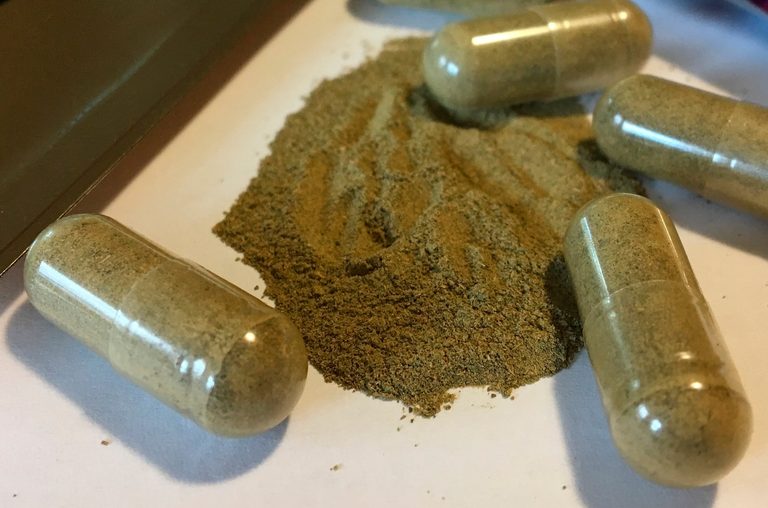
Kratom is derived from the leaves of the Mitragyna speciosa tree, which is native to Southeast Asia. Its primary alkaloids, mitragynine and 7‑hydroxymitragynine, interact with opioid receptors in the brain. At low doses users report stimulant‑like effects, while higher doses produce sedative effects.
Legal backdrop
Although the U.S. Food and Drug Administration has not approved kratom for any medical use, the substance remains legal under federal law. Nevertheless, a growing number of state and local jurisdictions have moved to restrict or ban it, citing safety concerns. In Mississippi, more than thirty municipalities and counties—including the City of Hernando—have already prohibited kratom.
Supporters and opponents
Advocates of kratom argue that, when pure, the plant can help manage pain, anxiety, depression and ease opioid‑withdrawal symptoms. They contend that responsible use poses little risk. However, physicians who treat addiction caution that kratom can quickly lead to dependence, with users experiencing withdrawal symptoms similar to those of opioids.
Local officials’ rationale
Board Chairman John Smith (name illustrative) explained that the ordinance reflects the county’s commitment to safeguarding families and neighborhoods. “Our priority is to ensure that no product is marketed in DeSoto County that could jeopardize the health of our children or burden our healthcare system,” he said.
Impact on residents and businesses
The ban requires any retailer currently offering kratom to cease sales immediately and remove related inventory. Violations could result in fines or other penalties as defined by the ordinance. Local law‑enforcement officials indicated they will work with businesses to ensure compliance.
What’s next?
The Board will monitor the ordinance’s effect on public health outcomes and may consider additional measures if needed. Community members who have questions about the ban are encouraged to contact the DeSoto County Health Department.
Original reporting: Action News 5 WMC (Gray) — read the source article.