Brown County public‑health agencies confirmed the first West Nile virus cases of 2026 in Wisconsin, identifying a human infection and a positive test in a six‑year‑old unvaccinated Quarter Horse mare. The cases were discovered by the Wisconsin Department of Agriculture, Trade and Consumer Protection (DATCP) and local health departments, which stress that the two infections are unrelated but signal active mosquito activity in the area.
What officials are saying
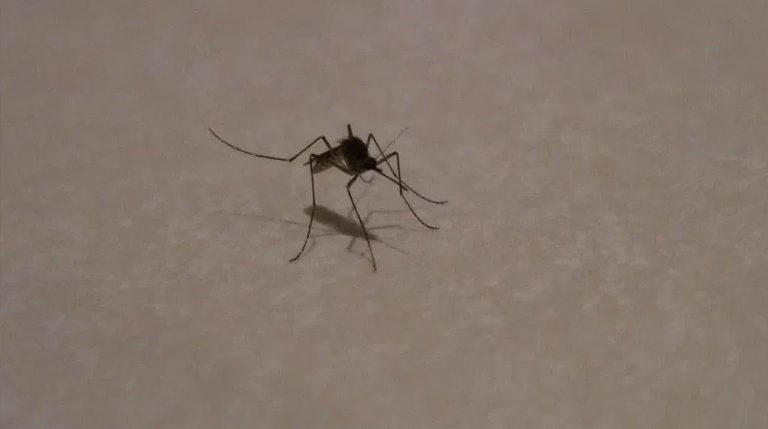
“West Nile virus is transmitted by mosquitoes, and it cannot spread directly between horses and humans,” explained Michelle Tipple, Community/Public Health Officer for the Oneida Nation Health Department. “While these two cases are not related, they show mosquitoes in the area are carrying the virus and could continue spreading it to humans or animals.”
Brown County Health Officer Anna Nick added, “Anyone can get sick if infected with West Nile virus, but older adults, people with chronic medical conditions, or those with weakened immune systems are at higher risk of severe illness.”
How the disease affects people and horses
According to the Centers for Disease Control and Prevention, most people infected with West Nile virus experience no symptoms. When symptoms do appear, they are typically mild and flu‑like, emerging 2 to 14 days after a mosquito bite. Severe illness occurs in less than 1 % of cases and may require hospitalization.
In horses, the virus can cause encephalitis, a serious inflammation of the brain. Symptoms include fever, loss of coordination, hind‑end weakness, depression, loss of appetite, muscle tremors, teeth grinding, difficulty swallowing, head pressing, excessive sweating, and an inability to rise. The disease is fatal in 30‑40 % of horses that develop clinical signs.
Prevention steps for residents
DATCP strongly encourages horse owners to discuss vaccination with their veterinarians. The American Association of Equine Practitioners (AAEP) recommends that all horses receive core vaccines for West Nile virus and Eastern Equine Encephalitis. Unvaccinated adult horses need two initial doses followed by annual boosters.
For the broader community, officials recommend standard mosquito‑prevention measures:
- Eliminate standing water where mosquitoes breed, such as in birdbaths, gutters, and old tires.
- Use EPA‑registered insect repellents containing DEET or picaridin when outdoors.
- Install screens on windows and doors, and keep them in good repair.
- Wear long sleeves and pants during dawn and dusk, when mosquitoes are most active.
- Consider using outdoor fans or mosquito traps in yards and stables.
These steps help protect both families and their animals from the virus while preserving the enjoyment of outdoor life that many Wisconsinites cherish.
Historical context
Wisconsin has seen West Nile virus in mosquitoes and birds across the state for several years. In 2025, DATCP documented five horse cases statewide. The recent human case underscores the importance of continued vigilance and community cooperation.
Local health departments will continue monitoring mosquito populations and will issue updates as needed. Residents with concerns or symptoms consistent with West Nile virus are urged to contact Brown County Public Health or their health‑care provider promptly.
Original reporting: Appleton, WI News Feed (HLL/CB) — read the source article.