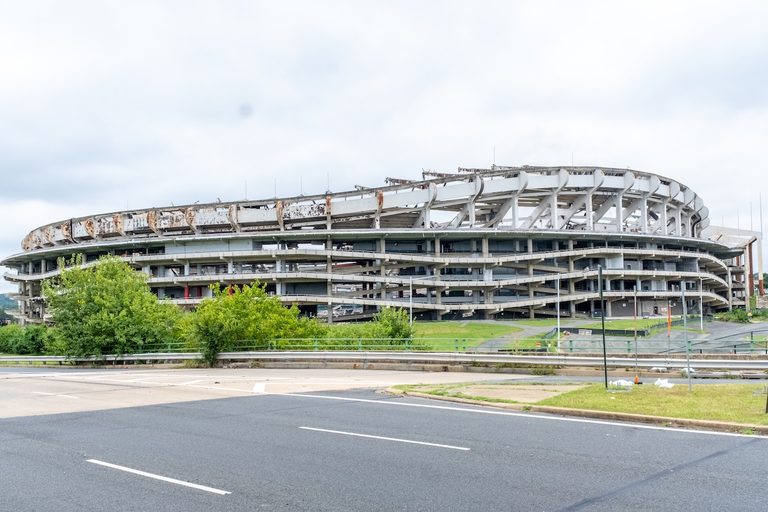
Washington D.C. is moving ahead with a $524 million revenue bond sale slated for Nov. 19, a financing move that will support infrastructure work for the Washington Commanders’ planned stadium at the former RFK Memorial site. The sale is a critical piece of a broader $3.7 billion public‑private financing plan for the new NFL venue and mixed‑use development, according to Washington Informer.
The tax‑exempt, fixed‑rate Series 2026 bonds are earmarked for horizontal infrastructure such as site preparation, not the stadium itself. Debt service on the bonds will be paid from a dedicated sports‑facility fee and a gross receipts tax on certain D.C. businesses, ensuring that general city taxes are not used for the project.
Moody’s has assigned an Aa2 rating to the bonds, while S&P rates them AA‑minus, both indicating high‑quality, investment‑grade debt. Goldman Sachs and Loop Capital Markets are leading the underwriting, and the transaction is expected to close the week of Dec. 7, Washington Informer reports.
Although the bonds are backed by a specific fee, they still count toward the District’s 12 % legal debt limit, bringing D.C. closer to its capacity. The Bond Buyer notes that the city faces a projected $680 million budget gap for fiscal 2028, and Mayor‑elect Janeese Lewis George is reportedly weighing a business‑activity tax to address the shortfall.
The upcoming sale follows a $1.2 billion bond offering in July, which represented the District’s annual capital borrowing. Part of that July issuance funded an infrastructure pool for redevelopment at the RFK site. Moody’s downgraded D.C.’s general‑obligation rating to Aa1 from Aaa in 2025 due to federal workforce cuts, but raised its outlook to stable in April.
“Last year’s uncertainty is now largely priced into the market,” said Dora Lee, director of research at Belle Haven Investments, noting that investor confidence appears to have rebounded.
What’s next: The bond sale will occur on Nov. 19, with closing anticipated the week of Dec. 7. Mayor‑elect Lewis George will assume office in January and is expected to address the projected fiscal 2028 budget gap, potentially through a new business‑activity tax, as the stadium project moves forward.
Sources: washingtoninformer.com