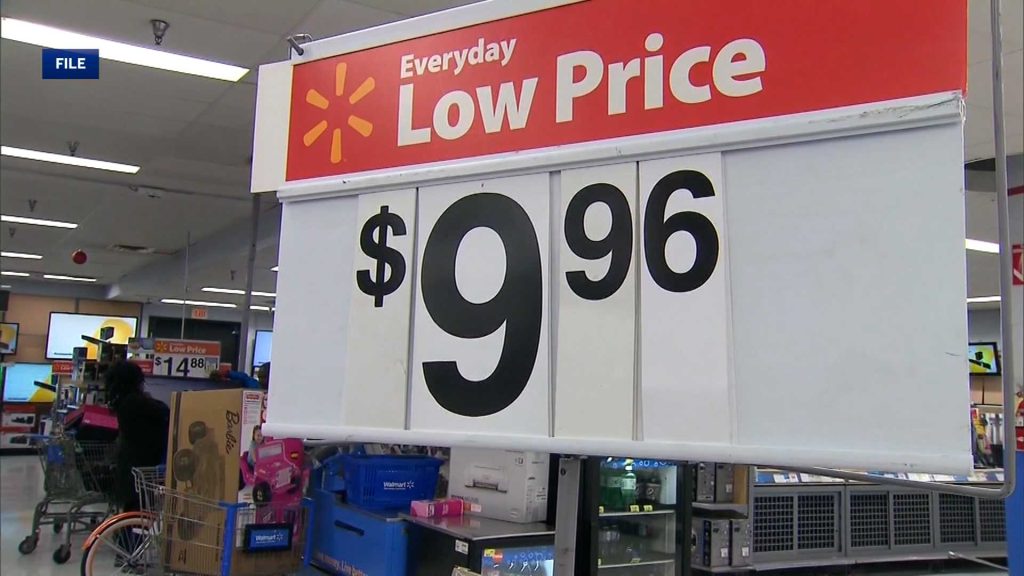
Walmart is actively seeking $2.4 billion in tariff refunds, a move that could potentially benefit consumers with lower prices. This initiative follows a recent Supreme Court decision allowing companies to request reimbursement for previously paid tariffs. Walmart plans to use any recovered funds to implement price cuts and rollbacks, offering some relief to customers facing inflation and high gas prices.
Impact on Local and National Markets
John David Rainey, executive vice president and CFO of Walmart, Inc., highlighted the challenges posed by last year’s tariffs and this year’s increased fuel prices, describing them as external shocks that the company must navigate. The potential tariff refunds would provide Walmart with a financial cushion to strategically adjust prices, though experts caution that the impact may not be transformative.
Finance professor Tomas Jandik from the University of Arkansas noted that while the $2.4 billion is not a game changer, it does offer Walmart some flexibility in pricing strategies. He anticipates that customers might see gradual decreases in the costs of certain items and targeted rollbacks rather than significant price drops.
Competitive Strategy
Walmart’s strategy is also driven by the need to remain competitive with other major retailers like Amazon and Target. Rainey emphasized during a recent earnings call that investing in customer pricing is currently the best return on capital for Walmart. Jandik added that Walmart aims to maintain its reputation as a go-to retailer when budgets are tight, using the potential refunds to bolster its competitive edge.
While the refunds could provide some relief, Jandik advises customers not to expect substantial price reductions across the board. Instead, Walmart is likely to use the funds for selective rollbacks, enhancing its ability to offer competitive prices in a challenging economic environment.
Original reporting: 40/29 / KHBS (NW Arkansas) — read the source article.