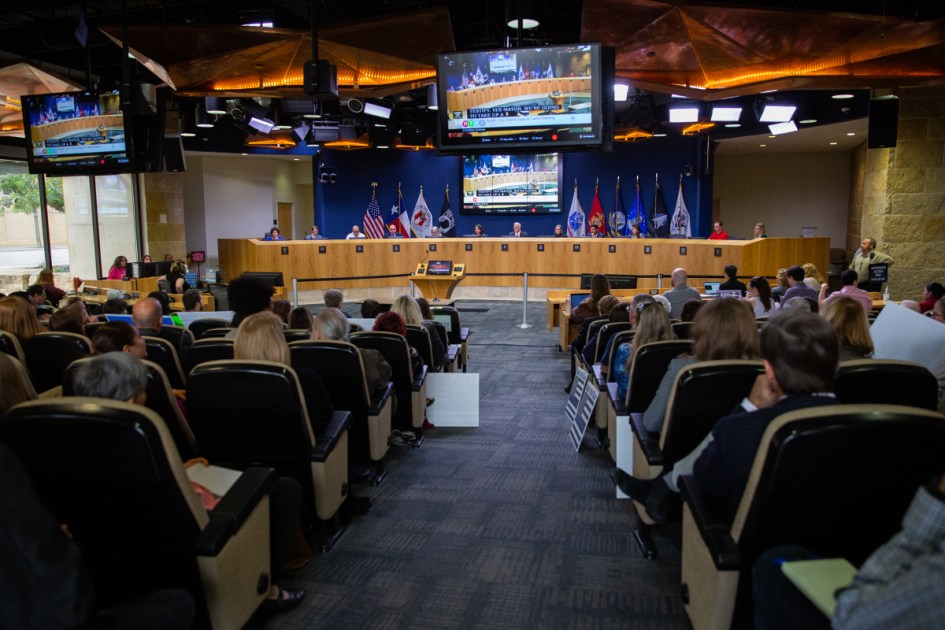
The Voting Rights Act of 1965 helped Latino and Black voters win seats on city and school boards across Texas, but recent legal and political shifts put that progress at risk. This article looks at how those gains happened, what is changing now, and what Republicans see as the right approach moving forward. It focuses on the core issue: how to preserve fair representation while restoring local control and election integrity.
The law opened doors for communities long locked out of power, and in Texas that meant new voices at the table in school districts and city halls. Those changes were real and they mattered to families, small businesses, and neighborhoods that had been ignored. For conservatives, the lesson is that expanding participation should be paired with respect for local governance and clear, objective rules.
Today, court rulings and shifting federal oversight are altering the playing field. Some of the reforms that once ensured representation are being reconsidered, and that uncertainty threatens the stability of local institutions. Republicans are skeptical of one-size-fits-all federal mandates that can override local choices and create unintended consequences for communities the law was meant to help.
Republicans argue that protecting minority representation does not require federal micromanagement of every map or election rule. Instead, the emphasis should be on transparent criteria, single-member districts where appropriate, and neutral processes that make it harder to game lines for partisan advantage. Those steps both respect voters and reduce the legal fights that drain public resources and trust.
Election integrity has to be part of the conversation as well. Ensuring accurate rolls, fair access to polling places, and straightforward ID rules helps everyone feel confident in the outcome. Confidence in elections is not a partisan slogan; it is the foundation that lets local leaders govern effectively once they are chosen.
At the same time, Republicans can support targeted measures that strengthen minority participation without federal heavy-handedness. That means investing in outreach, language assistance, and civic education so new voters understand how local government affects schools, zoning, and public safety. These are practical steps that produce long-term civic engagement without endless litigation.
The stakes in Texas are immediate: school boards decide classroom priorities, city councils shape development and policing, and representation matters for how resources get allocated. Courts and policymakers should craft rules that protect minority voices while honoring state authority and local autonomy. That balance will keep progress intact and make local government work better for everyone.