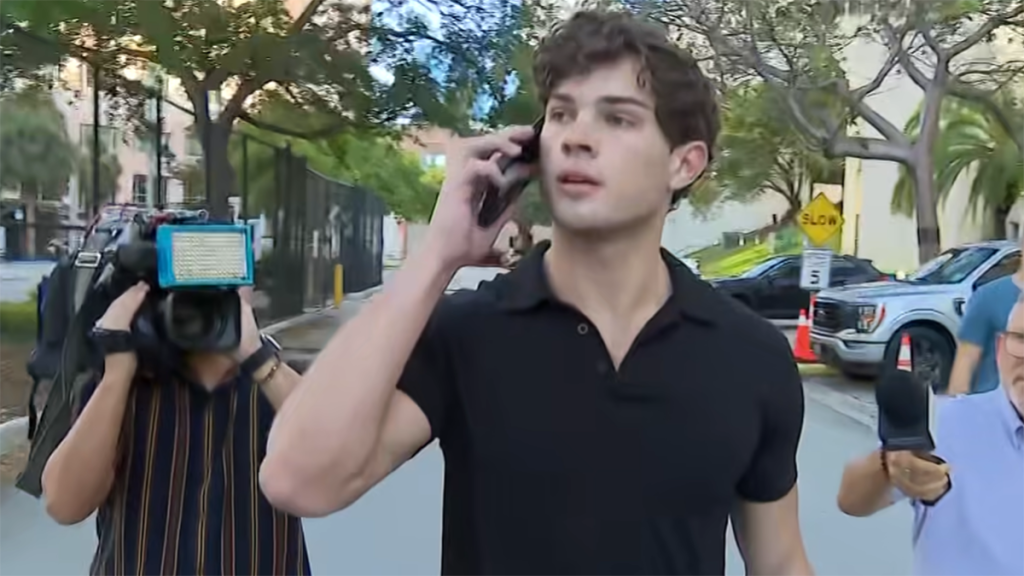
Braden Eric Peters, known online as Clavicular, and two other people are facing criminal charges after a video surfaced showing an alligator being shot at in the Florida Everglades, court records show. The footage quickly drew national attention and sparked an investigation by wildlife officers and local prosecutors. This article walks through the incident, the legal exposure the trio now faces, and the reaction from conservation groups and law enforcement in Florida.
The incident centers on a circulating video that appears to show an alligator targeted with gunfire in the Everglades, a federally and state-protected ecosystem. Authorities say the clip prompted formal complaints and led investigators to identify the people involved. Court records list charges connected to the event, and prosecutors have signaled they will pursue wildlife violations alongside any related criminal counts.
Florida wildlife law is strict about harming protected animals, especially in sensitive habitats like the Everglades. Violations can carry both fines and potential jail time, depending on the severity and whether the act is charged as a misdemeanor or felony. Prosecutors will weigh factors such as intent, the species involved, and whether the participants acted together when determining charges.
Braden Eric Peters, who posts under the handle Clavicular, has drawn controversy before for risky on-camera stunts, and this episode has amplified scrutiny of influencer behavior in delicate natural settings. Social media reaction ranged from outrage to calls for due process, but law enforcement emphasized evidence and procedure over online commentary. Investigators are relying on the video, witness statements, and forensic analysis to build their case.
Local officials in South Florida said the Everglades faces constant pressure from development, pollution, and illegal activity, making every assault on wildlife a matter of public concern. Conservation groups noted that alligators are vital to the ecosystem and that reckless acts can have ripple effects on habitat health. Those groups have urged authorities to pursue the stiffest penalties allowable to deter future incidents.
The criminal case will hinge on proving who fired the weapon and whether the act violated specific statutory protections for wildlife and public lands. Prosecutors often collaborate with state wildlife agencies to interpret statutes and establish causation in jury-friendly terms. If the defendants are convicted, courts can impose fines, restitution, and, in some cases, incarceration or probation with mandatory educational or community-service components tied to conservation.
Defense lawyers commonly argue lack of clear identification on videos and contest chain-of-custody and forensic links between the act and the accused. They may also highlight provocation or lack of intent to commit a more serious offense. Still, modern digital evidence, GPS metadata, and witness testimony can be persuasive for prosecutors when assembled carefully.
Beyond criminal penalties, being implicated in an animal cruelty matter carries reputational fallout for anyone with a public persona. Sponsors, platforms, and collaborators often distance themselves quickly, and online accounts can suffer bans or demonetization. For Peters, the case could mean a loss of audience and income as well as legal burdens.
Law enforcement has stated the investigation remains active and cautioned the public against drawing conclusions before all facts are presented in court. Officials said they will continue to consult wildlife experts and forensic teams to verify the video’s provenance and the weapons used. That process can take weeks or months, and charging decisions will reflect the outcome of those inquiries.
Environmental advocates hope the case will lead to stronger enforcement across the Everglades and similar wild areas where wildlife encounters are increasingly recorded and broadcast. They argue that high-profile prosecutions can serve as deterrents and push platforms to police dangerous content more proactively. Authorities, however, stress the need to balance deterrence with fair, evidence-based prosecution.
The defendants are expected to appear in a local Florida court for the next procedural steps, where schedules for arraignment and preliminary hearings will be set. Court filings and public records will eventually provide more detail about the specific charges and the evidence the state intends to present. Until then, the community and online audiences will be watching how prosecutors navigate a case that mixes wildlife protection, digital evidence, and influencer culture.
This event also raises questions about behavior in fragile ecosystems and the lines between content creation and criminal conduct. As social media continues to reward sensational footage, regulators and platforms will face pressure to curb content that encourages illegal or unethical acts. For now, the focus remains on the investigation and the legal process unfolding in Florida.