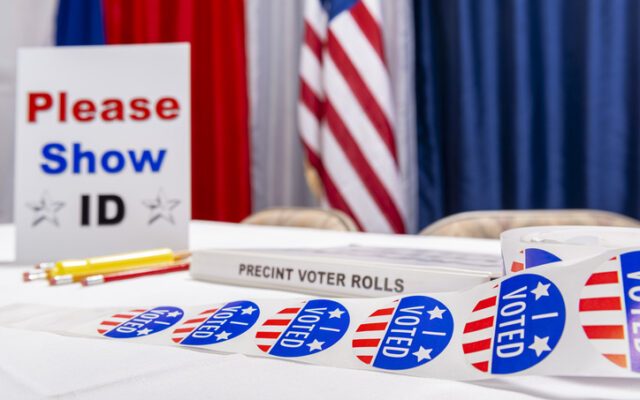
Voters in a dozen states have spoken loudly on election integrity this week, approving a slate of ballot measures that tighten voter identification and citizenship requirements. The outcomes reflect a clear preference for stricter rules in the Midwest and South, even as voters on the West Coast pushed back against comparable proposals.
Majorities in Ohio, North Carolina and Nevada
In Ohio, Issue 3 passed with 65.33% support, according to Newsmax projections based on 95% of votes counted. The constitutional amendment reinforces the requirement for a photo ID when voting in person and adds identification rules for mail‑in and absentee ballots, with limited exceptions.
North Carolina voters also approved a constitutional amendment that mandates voter identification, garnering roughly 60% of the vote. Nevada voters reaffirmed a similar amendment for the second time, completing the state’s two‑election requirement for constitutional initiatives to become law.
Citizen‑Driven Measures in the West
In Arkansas, Kansas, South Dakota and West Virginia, voters approved constitutional amendments restricting voting to U.S. citizens. Alaska adopted a comparable requirement through state legislation. Preliminary Associated Press figures show about 79% support in West Virginia and 68% in Arkansas.
Arizona’s Proposition 144, which would have required citizenship verification, voter identification and a ban on foreign contributions to state elections, remained unresolved at the close of voting. Newsmax reported the measure was 53.2% opposed and 46.8% supported as counting continued.
Rejections in California and Colorado
On the opposite coast, California voters rejected Proposition 39, a voter‑ID mandate, with roughly 60% voting against it. Colorado voters similarly turned down a new voter‑ID requirement. Both measures were placed on the ballot by citizen activists, bypassing Democratic‑led legislatures.
Arguments From Both Sides
Supporters of the approved measures argue that voter‑ID and citizenship requirements deter fraud and bolster confidence in the electoral process. Opponents counter that such rules create unnecessary barriers for eligible voters, noting that instances of voter impersonation and non‑citizen voting are rare.
While the Trump administration has consistently championed election‑security initiatives, the current outcomes illustrate a nuanced national picture: many states are moving toward stricter rules, yet voters in California and Colorado remain skeptical of new identification mandates.
What This Means for Future Elections
The approved amendments will shape how elections are conducted in the affected states, influencing everything from in‑person polling to mail‑in ballot verification. Election officials in Ohio, North Carolina, Nevada, Arkansas, Kansas, South Dakota, West Virginia and Alaska will need to implement the new requirements before the next election cycle.
For voters and advocacy groups, the mixed results underscore the importance of local engagement and education on ballot measures. As states continue to grapple with election‑security debates, the outcomes of these votes will likely inform future proposals and legislative action across the country.
Original reporting: KTSA News/Talk (San Antonio) — read the source article.