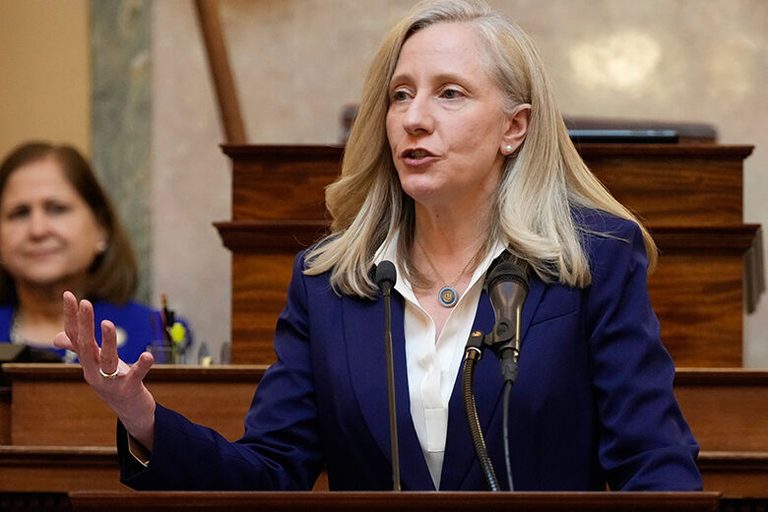
Virginia’s chief executive, Gov. Abigail Spanberger, used a recent interview with WTOP to press Congress for a comprehensive federal framework to regulate artificial intelligence. She argued that state‑level measures, such as Virginia’s own Data Center Accountability Framework and AI Task Force, are valuable but insufficient without nationwide guardrails.
State actions set the stage
Since taking office, Spanberger has championed data‑center accountability and introduced AI‑focused components to the state’s regulatory agenda. The AI Task Force, she explained, is tasked with protecting jobs, privacy and cybersecurity as AI technology accelerates. “We have one of the most aggressive data‑center accountability programs in the country,” she said, noting that the effort is part of a broader strategy to shield Virginians from unintended harms.
Why federal leadership matters
Spanberger warned that the current Congress has failed to act on many issues that matter to Americans, including AI oversight. She contended that without a uniform set of “rules of the road,” companies operating across state lines could pursue profit at the expense of public safety. “When CEOs themselves are sounding the alarm about the risks of their own technology, it is absolute negligence for the federal government to remain idle,” she asserted.
She drew parallels to historic regulatory successes in sectors such as mining, aviation and space, where federal standards have prevented disasters and protected lives. “Just as environmental protections saved miners from deadly conditions, AI regulations will guard against threats to human life and our economy,” Spanberger said.
Calls for bipartisan action
Spanberger appealed directly to congressional leadership, urging them to fulfill what she described as a “singular role” in establishing a national AI framework. She emphasized that the issue transcends partisan lines, noting that the rapid pace of AI development outstrips the five‑year forecasts many lawmakers rely on.
“We need clear, consistent guidance now, not later,” she said. “The American public is deeply concerned, and the technology is moving faster than our current laws can keep up with.” Spanberger’s remarks echo similar calls from Maryland Gov. Wes Moore, who recently unveiled his own AI strategy, highlighting a growing consensus among state leaders for federal action.
What’s next for Virginia?
While the governor continues to push for federal legislation, her office will keep advancing state‑level protections. The AI Task Force will hold public hearings, release policy recommendations and work with industry leaders to identify practical safeguards. Spanberger stressed that these efforts are complementary, not a substitute, for the comprehensive framework she believes only Congress can deliver.
Virginia residents can expect updates on the task force’s work through the governor’s website and upcoming town‑hall meetings. As the debate over AI regulation gains momentum nationwide, Spanberger’s call for federal leadership positions Virginia at the forefront of a critical policy conversation.
Original reporting: Alexandria, VA News – WTOP News — read the source article.