Virginia’s voting‑rights restoration process has hit an unexpected snag. After a federal court decision eliminated the requirement that felons petition the governor to regain the franchise, some state records have mistakenly listed deceased individuals as having their rights restored.
What changed?
Until a recent federal ruling, Virginia felons had to submit a petition to the governor after completing their sentences in order to have their voting rights reinstated. The court’s decision removed that procedural hurdle for the majority of former offenders, streamlining the path back to the ballot box.
Letters about dead voters
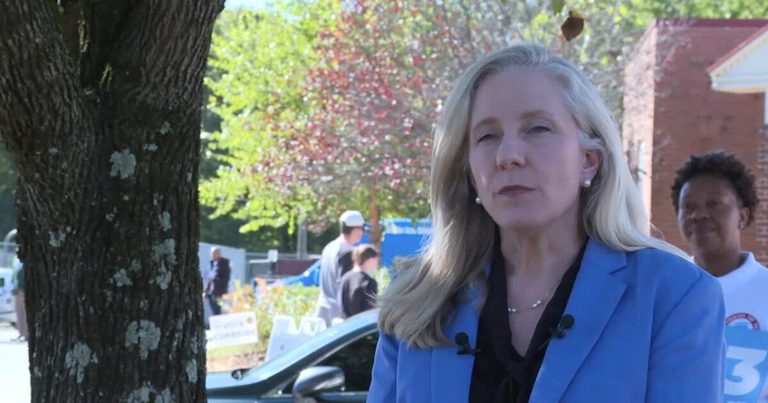
Social‑media posts over the past month have shown letters addressed to families stating that a loved one’s voting rights have been restored – only to discover the person had already passed away. State Senator Jennifer Spanberger acknowledged the reports, saying, “It appears this has happened, though we do not yet know how many cases are involved.” She emphasized that a restored‑rights notice does not automatically register a deceased person to vote, and that casting a ballot on behalf of a dead individual remains a felony.
Republican delegate’s example
One Republican delegate from the General Assembly cited a specific case in which the individual had been dead for more than two decades before a rights‑restoration notice was issued. The delegate suggested that the error likely stems from outdated or disconnected government databases that fail to flag a death in the system.
Why the mismatch?
Spanberger explained that Virginia’s various agencies maintain separate eligibility databases, and not all of them are synchronized in real time. When the federal ruling took effect, the automatic restoration process pulled data from one system that did not have up‑to‑date death records, leading to the erroneous notices.
What’s being done?
The governor’s office is reviewing the data‑sharing protocols among the Department of Elections, the Department of Corrections, and the Department of Health. Officials plan to implement a cross‑check mechanism that will compare death‑record feeds before any rights‑restoration notice is generated. Spanberger added that the state will also issue guidance to local election officials on how to verify a person’s status before processing any ballot‑related paperwork.
Impact on voters
While the incident is troubling, it does not affect the overall integrity of Virginia’s elections. The state continues to enforce strict penalties for anyone who attempts to vote on behalf of a deceased person. Moreover, the new streamlined process is expected to benefit thousands of law‑abiding former felons who are now able to participate fully in civic life without the previous bureaucratic barrier.
Next steps
Governor Youngkin’s administration will monitor the situation closely and provide updates as the database reconciliation effort progresses. Residents who receive a rights‑restoration notice for a deceased relative are encouraged to contact the Virginia Department of Elections to confirm the accuracy of the information.
Original reporting: WTKR News 3 (Scripps) – local — read the source article.