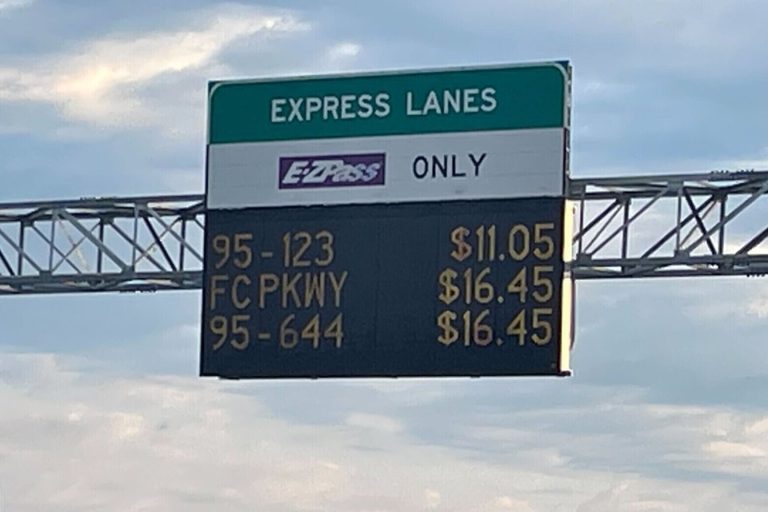
The Virginia Department of Transportation (VDOT) announced a new feasibility study that could transform the 45‑mile stretch of I‑95 express lanes between Spotsylvania County and the Springfield interchange in Fairfax into a two‑way, 24‑hour corridor. Currently, the express lanes operate as reversible lanes, serving only the peak‑direction traffic during morning and evening rush hours.
Study partnership and goals
VDOT is partnering with Transurban, the private firm that builds and maintains the existing express‑lane network in Northern Virginia, to assess the practicality of adding additional lanes and converting the system to continuous two‑way flow. In a statement, VDOT said the proposed changes would “add managed capacity, new connections and more travel choices on I‑95 in the Northern Virginia and Fredericksburg areas,” potentially relieving daily congestion on the general‑purpose lanes.
Environmental and community considerations
The agency also began an environmental assessment to evaluate how the added lanes might affect traffic patterns, air quality, noise levels, surrounding properties, and natural and historic resources. While VDOT has not released cost estimates or a timeline for implementation, the study will examine the full range of impacts before any construction decisions are made.
Why the change matters for commuters
For many commuters in the D.C. metropolitan area, the current reversible system can be confusing and limits the express lanes’ usefulness outside of peak periods. A two‑way, all‑day configuration would give drivers more flexibility, especially for those who travel at off‑peak times for work, school, or personal errands. By providing a managed‑traffic alternative throughout the day, the project aligns with VDOT’s broader goal of improving mobility while preserving the surrounding environment.
Next steps
The feasibility study will include traffic modeling, cost‑benefit analysis, and public outreach to gather input from residents, businesses, and local officials. VDOT plans to release a draft of its findings later this year, followed by a public comment period. If the study concludes that the two‑way conversion is viable, the agency will move forward with detailed design and funding strategies.
Community response
Local leaders and commuters have expressed cautious optimism. Some residents appreciate the potential for reduced congestion on the main lanes, while others are eager to see how the project will address concerns about noise and air quality. VDOT has pledged to keep the public informed throughout the process and to consider community feedback in its final recommendations.
As Virginia continues to grow, transportation solutions like this one‑way‑to‑two‑way conversion could become a key part of the state’s strategy to keep highways moving efficiently while respecting the quality of life for families and neighborhoods along the corridor.
Original reporting: Alexandria, VA News – WTOP News — read the source article.