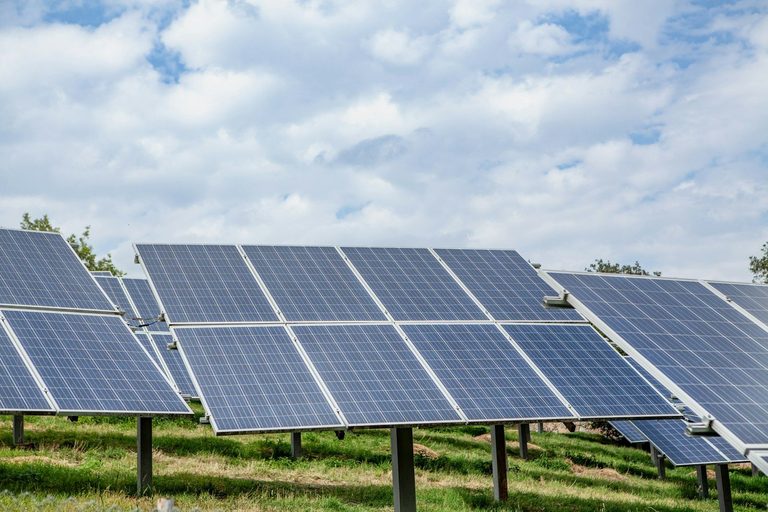
Vinton County, Ohio – The Ohio Power Siting Board voted unanimously last month to issue a permit for the Hamden Energy solar and battery‑storage project on a reclaimed coal‑mining site in southeast Ohio. Developer Recurrent Energy plans to install 149 megawatts of solar generation alongside an equal amount of battery storage, creating a new source of clean power for the region.
Local benefits and tax revenue
“Developing a solar project on reclaimed land is an excellent opportunity to harvest another one of the area’s abundant resources to power Ohio while providing supplemental tax revenue to support a legacy energy community,” said Ali Trunzo, senior development manager for Recurrent Energy. The project is expected to generate additional tax dollars for Vinton County, which still faces a poverty rate of about 19 percent despite modest economic growth over the past two decades.
Why the site cleared regulatory hurdles
Unlike many renewable‑energy proposals that meet resistance when placed on farmland, this project occupies former mine land and industrial brownfields—areas that are difficult to use for other purposes. The location therefore faced little opposition, with only about 25 residents submitting comments or speaking at the June 10 hearing. The most common concern was whether ongoing reclamation work would be completed before construction begins.
Reclamation is overseen by Cheyenne Resources, the holder of the surface‑mining permit, according to Andy Chow, a spokesperson for the Ohio Department of Natural Resources. Recurrent Energy has agreed not to start construction until Cheyenne Resources finishes its reclamation duties.
Costs and construction challenges
Building solar facilities on former mine sites can be more expensive than on undeveloped land because developers must address existing soil conditions and environmental remediation. Trunzo declined to disclose the total cost of the Hamden Energy project but noted that specialized construction methods and equipment may be required due to the site’s terrain.
State policy encouraging mine‑to‑solar conversions
Ohio’s 2025 House Bill 15 designates former mine lands and brownfields as priority investment areas, opening the door for more projects like Hamden Energy. The Ohio Department of Development has begun identifying eligible parcels, and the Renewable Energy Institute (RMI) estimates the state has more than 70,000 acres that could qualify.
Earlier, the state approved the Vinton Solar Energy Center in 2018, which remains under construction by Invenergy. Other states have also turned former mining properties into solar facilities, suggesting a broader national trend toward repurposing industrial sites for clean energy.
Reactions from environmental groups and local officials
Rebecca Mellino, associate director of climate and energy policy for The Nature Conservancy, praised the project, saying, “The reuse of former mining land for new energy production is a win‑win for Ohio consumers and the environment.” The organization notes that the 2025 law could make it easier for counties to host similar projects, even when other restrictions from the 2021 renewable‑energy law might otherwise apply.
County commissioners had the authority to block the project under the 2021 law that added extra hurdles for wind and solar developments, but they chose not to exercise that power.
Broader energy context
Ohio is experiencing growing electricity demand, and supporters argue that solar and battery storage can be cheaper and faster to bring online than new natural‑gas plants. However, Senate Bill 52, passed in 2021, gave local governments greater authority to block renewable projects, and some recent proposals have been rejected after unanimous local opposition.
Chris Tavenor, general counsel for the Ohio Environmental Council, called the Hamden Energy project “vital to bringing sustainable, affordable, and dependable energy online,” while also urging broader reforms to Ohio’s energy‑siting process to keep costs down.
What’s next?
With the permit secured, Recurrent Energy will move forward with detailed engineering and site preparation, pending completion of reclamation work. The project is expected to create construction jobs in the short term and long‑term operational positions once the solar arrays and battery system are online.
State legislators continue to debate additional bills, such as Senate Bill 294, which could introduce new obstacles for wind and solar development. The outcome of those debates will shape how quickly Ohio can expand its renewable‑energy portfolio while preserving the economic stability of communities like Vinton County.
Original reporting: WOWO News/Talk (Fort Wayne) — read the source article.