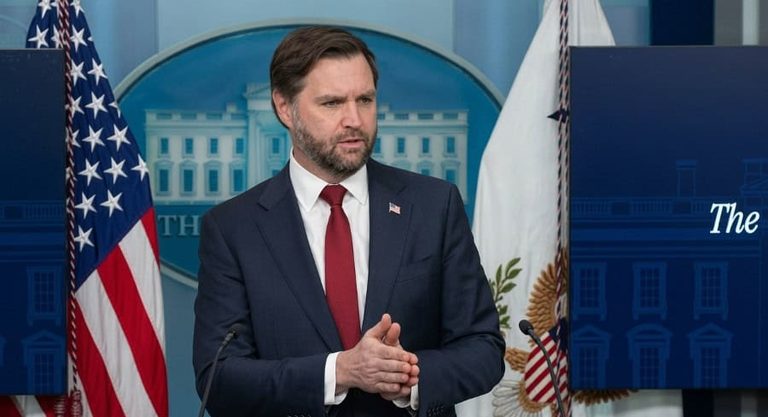
Vice President JD Vance concluded two days of negotiations with an Iranian delegation in Lucerne, Switzerland, on Monday, reporting tentative progress on regional stability and international weapons inspections.
Talks Focus on Nuclear Inspections and Ceasefire Framework
Vance highlighted a potential return to foreign nuclear inspectors—a mechanism originally utilized during the Obama administration—to verify Iran’s compliance with any future agreements. The diplomatic updates also included discussions on establishing a framework for a lasting ceasefire and maintaining open transit through the critical Strait of Hormuz shipping lane.
The positive framing of the talks has already had a measurable impact on global financial sectors. Energy markets have been influenced by the diplomatic momentum, with oil prices now near $74 a barrel. The U.S. stock market continues to hover near all-time highs, reflecting a positive reception from the White House regarding the initial talks.
Skepticism and Caution
However, the diplomatic update was met with immediate skepticism from media analysts who pointed to the historical volatility of agreements involving Tehran. Fox News anchor John Roberts urged caution regarding Iran’s verbal commitments to allow nuclear monitors back into the country, citing the need for concrete actions rather than words.
Despite these reservations, the administration is treating the negotiations as a high-stakes priority. A senior administration official noted that if the negotiations transpire the way the White House hopes, the situation “has the potential to transform the Middle East.”
Vance described the current state of the diplomatic process, saying, “We haven’t built the house yet.” Roberts concluded that executing a stable, long-term deal with Iran will likely serve as one of the most significant diplomatic hurdles of the current administration.
Original reporting: Tampa Free Press — read the source article.