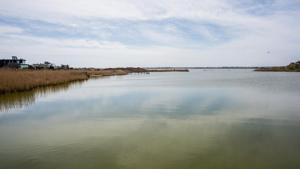
Researchers are increasingly concerned about the spread of Vibrio bacteria along the Atlantic Coast, as warmer waters create a more hospitable environment for these dangerous microorganisms. Vibrio, a bacteria that can cause severe illness and even death, has been documented expanding into areas that were previously too cold to support its growth.
Understanding the Threat
Vibrio bacteria are ancient marine organisms that thrive in warm, brackish waters. They attach to plankton and algae, accumulating in shellfish like clams and oysters. While there are over 70 species of Vibrio, only a few can cause serious illness. Infections occur when individuals with open wounds swim in contaminated waters or consume raw shellfish carrying the bacteria.
Climate change has been a significant factor in the spread of Vibrio. As ocean temperatures rise, the bacteria become more prevalent, increasing the risk of infection for beachgoers and seafood consumers. The bacteria become active in water temperatures above 60 degrees Fahrenheit and multiply rapidly as coastal waters warm during the summer months.
Health Implications
The Centers for Disease Control and Prevention (CDC) estimates about 80,000 cases of vibriosis occur in the U.S. annually, resulting in approximately 100 deaths. The most dangerous species, Vibrio vulnificus, can cause severe infections through even minor skin abrasions, leading to death within 24 hours if not treated promptly with antibiotics.
In recent years, health officials have noted unusual increases in Vibrio infections, particularly following extreme weather events like hurricanes and marine heatwaves. These conditions push brackish water inland, creating ideal environments for the bacteria to thrive. The CDC has warned that as coastal water temperatures continue to rise, Vibrio infections are expected to become more common.
Monitoring and Prevention
Efforts are underway to monitor and predict Vibrio outbreaks. Researchers at the University of Florida are developing an early warning system to alert public health departments about high Vibrio concentrations. Such a system could provide crucial information to healthcare providers, potentially saving lives by preparing them for an increase in infections.
As Vibrio bacteria continue to spread northward, they serve as an indicator of changing marine conditions, offering researchers insights into the broader impacts of climate change on ocean ecosystems. The presence of Vibrio is not only a public health concern but also a signal of the shifting composition of marine species in local waters.
Original reporting: KTBS 3 (Shreveport) — read the source article.