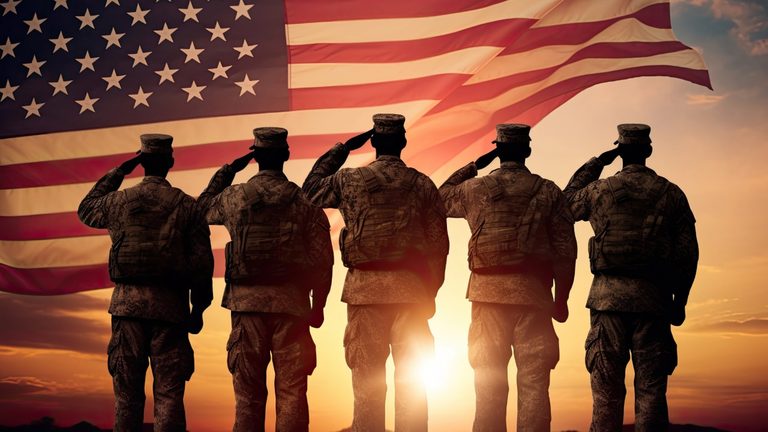
Every November 11th, Naperville joins the nation in honoring the brave men and women who served in the Great War, World War I, and all subsequent conflicts. While we remember the armistice that ended that first global conflict, we also reflect on how the experience of war has shaped American culture and faith.
Two Literary Giants Who Served
More than a century ago, two future literary giants answered the call of duty. C.S. Lewis and J.R.R. Tolkien, both British officers, endured the horrors of trench warfare. Their injuries were not only physical; the deep emotional wounds they carried home would later be recognized as post‑traumatic stress disorder (PTSD). In their own families, the lingering sadness was evident—Tolkien’s children often spoke of their father’s lifelong melancholy.
Despite that darkness, both men turned to their Christian faith for strength. Their belief in a sovereign God gave them a framework to understand suffering and to hope for redemption. In later years, Tolkien’s imaginative world of elves, dwarves, and orcs helped Lewis grasp new dimensions of his own Christian theology, and together they forged a friendship born of shared adversity.
Friendship and Faith in Their Works
Lewis’s beloved “Chronicles of Narnia” and Tolkien’s epic “Lord of the Rings” and “The Hobbit” have captivated generations. While the readership differs—Narnia often appeals to younger families and Tolkien to adult fantasy enthusiasts—both series place friendship at the heart of their narratives. The authors wrote that mythic storytelling allowed them to convey profound truths about the human condition, especially the power of sacrificial love and loyalty among comrades.
In “The Lion, the Witch and the Wardrobe,” the bond between the Pevensie siblings mirrors the camaraderie of soldiers who rely on one another to survive. Likewise, Tolkien’s fellowship in “The Lord of the Rings” reflects the very real brother‑in‑arms relationships forged in the mud‑filled trenches of 1916. Their stories demonstrate that, even amid the bleakest circumstances, Christian hope and steadfast friendship can illuminate a path forward.
Why This Matters to Naperville Veterans
When we gather at the Naperville Veterans Memorial this Veterans Day, we honor not only the sacrifices of those who fought abroad but also the lasting contributions they have made to our cultural and spiritual life. The resilience shown by Lewis and Tolkien reminds us that healing is possible when faith and community walk hand‑in‑hand.
Local veterans’ groups often cite literature and faith as tools for recovery. Programs at the Naperville VA Medical Center incorporate reading circles and discussion groups that explore themes of redemption and fellowship—exactly the kind of messages found in the works of Lewis and Tolkien. By highlighting these connections, we encourage families and churches across DuPage County to support veterans as they transition from combat to civilian life.
Continuing the Legacy
As we commemorate the armistice that ended the Great War, let us also celebrate the enduring legacy of two men whose Christian convictions turned personal tragedy into stories of hope. Their friendship, forged in the crucible of war, continues to inspire readers of all ages and reminds us that the values of faith, family, and liberty remain central to the American spirit.
Naperville’s schools, churches, and civic groups are invited to host reading events and discussion panels this November, focusing on how literature can aid veterans in their healing journeys. By doing so, we honor both the physical and emotional wounds of our servicemen and women, and we reaffirm the community’s commitment to supporting them through faith‑filled friendship.
Original reporting: Positively Naperville (Aurora area) — read the source article.