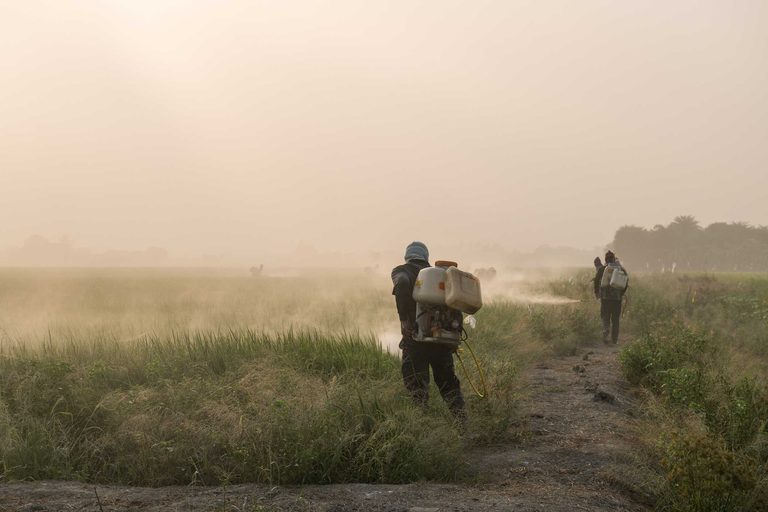
Vermont has become the first U.S. state to ban paraquat, one of the most commonly used herbicides, with lawmakers citing a possible link between the weed killer and Parkinson’s disease. The ban has been widely celebrated by advocates who hope Vermont’s move will prompt similar action in other states to prevent the neurologic disease that robs people of control over their movements and affects about 1 million Americans.
Impact on Farmers
However, for some farmers, the ban could potentially threaten their already slim profit margins. Attempts to prohibit paraquat’s use in other states where the chemical is more heavily used have repeatedly stalled. The U.S. Environmental Protection Agency is currently reviewing the safety of paraquat after saying there’s no clear link between the herbicide and Parkinson’s.
Syngenta, a Swiss chemicals company that has made paraquat for years, announced earlier this year that it would stop global manufacturing or selling of the chemical, but also defended the herbicide’s safety. Other companies continue to sell it. First introduced in the U.S. in 1964, paraquat became a popular weed killer for farmers. It’s known as an extremely toxic chemical that is fatal if ingested and can cause chronic health problems on contact.
International Precedent
Despite its popularity, dozens of countries have banned the substance. The European Union and the UK banned paraquat in 2007. China banned domestic use of paraquat in 2017, along with Vietnam and Malaysia. Thailand issued a similar ban in 2019. Defenders of using paraquat say the chemical is quickly absorbed by weeds, meaning that if rain falls — even after 30 minutes of application — it won’t wash off into the soil.
Companies like Syngenta say paraquat becomes immobilized once it touches soil. Yet there’s disagreement over its harmful effects, with the Parkinson’s community warning that people living near where paraquat is applied have an increased risk of getting the disease. Whether it causes Parkinson’s disease has been heavily debated and studied for years.
Dr. Philip Landrigan, an epidemiologist who directs a global health program at Boston College and has campaigned against human exposure to toxic chemicals, said multiple studies have shown that environmental factors, including exposure to pesticides like paraquat, can increase the risk for Parkinson’s disease.
The Parkinson’s community considers the Vermont ban a significant victory. The ban goes into effect Nov. 1, but the statute gives farmers using paraquat on fruit-producing orchards, berries and small fruit crops until 2030 to transition away from using the herbicide.
Original reporting: 40/29 / KHBS (NW Arkansas) — read the source article.