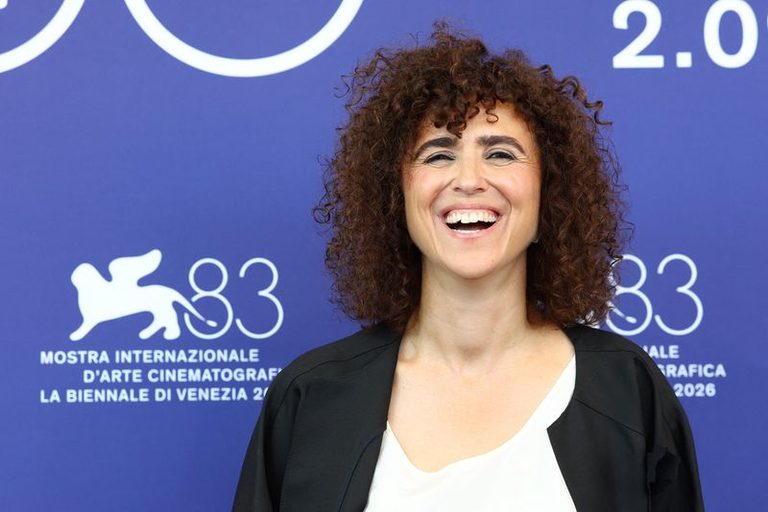
At the 2026 Venice Film Festival, Danish‑Egyptian director May el‑Toukhy stood alone as the only woman directing a fiction film in competition for the coveted Golden Lion. Her gritty World War II drama, Woman Unknown, joins a documentary that includes a female co‑director, leaving the festival’s lineup starkly male‑dominated.
Structural imbalance in cinema
El‑Toukhy told reporters that the scarcity of women in the competition reflects a deeper, structural problem in the industry. She recalled how it took six or seven years to complete her first feature after film school, while many of her male peers moved much more quickly. “It was very, very hard to get my first film done after graduating,” she said, noting that financing, budgeting and casting remain more difficult for women directors.
Festival director Alberto Barbera defended the selections, noting that women directed only 24% of the films submitted this year, down from 30% the previous year. Barbera emphasized that artistic quality, not gender, guided the choices.
El‑Toukhy’s film and its themes
Woman Unknown follows Marie, a Danish housemaid who plans to marry her wealthy employer, only to have her future jeopardized by a past relationship with a German soldier. Set in post‑war Denmark, the story explores the “invisibility of women”—how they are both objectified and silenced. Actress Mathilde Arcel, who portrays Marie, said the film shines a light on women who have long carried the stigma of wartime relationships, many of whom never told their families about their experiences.
Calls for greater representation
While grateful for the attention her presence brings, el‑Toukhy expressed a desire to see more female filmmakers in competition. “Of course, I would love to have more female colleagues in competition beside me,” she said. She noted that the MeToo movement raised awareness of gender imbalance, but recent years have seen a regression toward earlier, less inclusive norms.
The festival’s gender disparity adds to ongoing debates about representation in cinema worldwide. Advocates argue that increasing opportunities for women directors not only promotes fairness but also enriches storytelling by bringing diverse perspectives to the screen.
Industry response
Industry observers point to the need for more equitable financing and mentorship programs to close the gap. Some film schools and production companies have begun initiatives aimed at supporting emerging women filmmakers, though progress remains uneven.
As the Venice Film Festival continues, el‑Toukhy’s film will be screened alongside 20 other entries, offering audiences a chance to evaluate whether artistic merit alone can overcome entrenched gender biases in the world of cinema.
Original reporting: Appleton, WI News Feed (HLL/CB) — read the source article.